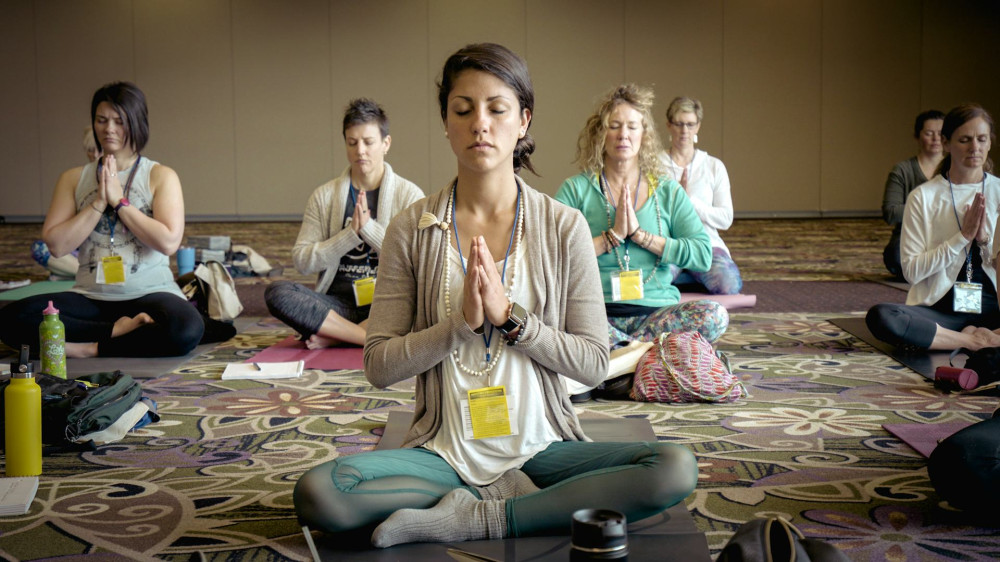
Yoga as a Lifesaver for the Body – Effective Recovery for Physically Demanding Jobs


Yoga as a Lifesaver for the Body – Effective Recovery for Physically Demanding Jobs
For millions of Americans who rely on their bodies to make a living—construction workers, nurses, warehouse employees, landscapers, mechanics, and many others—physical strain is part of everyday life. Long hours of lifting, bending, and repetitive motion can take a toll, leading to soreness, stiffness, and fatigue. But there’s a simple and effective way to help the body recover: yoga.
Yoga isn’t just about flexibility or relaxation—it’s a tool for rebuilding strength, balance, and body awareness. For people in physically demanding jobs, it can be a true lifesaver, helping prevent injuries and restore energy for the next day’s work.
The Body as a Work Tool
When your body is your main tool, it’s under constant pressure. Over time, muscles, joints, and tendons can become overworked, leading to chronic pain or reduced mobility. Many workers experience tightness in the back, shoulders, and knees, or a general fatigue that doesn’t go away with a weekend off.
Yoga offers a form of active recovery. Instead of simply resting, you move in ways that release tension, improve circulation, and restore natural mobility. This kind of mindful movement helps the body recover more effectively than passive rest alone.
Why Yoga Works
Yoga combines stretching, strength, and breathing in a way that benefits the entire body. Slow, controlled movements activate small stabilizing muscles that often get neglected in physical labor. At the same time, deep breathing calms the nervous system and reduces stress.
Research from institutions like Harvard Medical School and the National Institutes of Health has shown that regular yoga practice can reduce lower back and shoulder pain, improve balance, and increase flexibility. That means your body becomes more resilient to daily strain—and recovers faster when it’s pushed to its limits.
Læs også:


Simple Poses for Everyday Recovery
You don’t need a fancy studio or expensive gear to start. Just a few minutes a day can make a noticeable difference. Here are some poses especially helpful for those with physically demanding jobs:
- Cat-Cow Stretch – loosens the spine and relieves stiffness after heavy lifting.
- Child’s Pose – relaxes the back and shoulders while calming the mind.
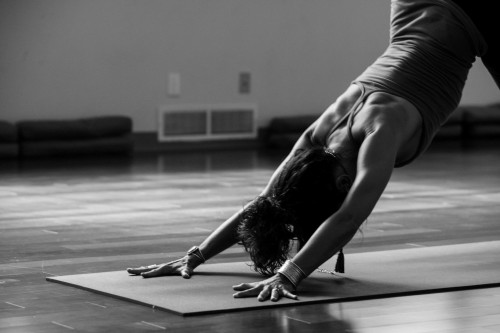
- Downward-Facing Dog – stretches hamstrings, calves, and shoulders while strengthening arms and back.
- Supine Twist – releases tension in the lower back and improves circulation after a long day.
- Mindful Breathing – a few minutes of deep, slow breathing can lower heart rate and stress levels.
The key isn’t how advanced the poses are, but how mindfully you move. Listen to your body and avoid pushing into pain.
Yoga as a Mental Reset
Physically demanding work doesn’t just tire the body—it drains mental energy too. Many people find that yoga helps them unwind mentally as much as physically. The combination of movement and breath creates a space to let go of the day’s stress and reconnect with yourself.
For some, yoga becomes a daily ritual after work—a few quiet minutes to reset before heading home or spending time with family. This mental pause can reduce stress, improve sleep, and enhance overall well-being, all of which support physical recovery.
Getting Started
If you’re new to yoga, start small. Ten to fifteen minutes a day is enough to feel the benefits. There are countless free videos and apps designed for beginners, including programs tailored to workers in physically demanding fields.
You might also consider joining a local class. Many community centers, gyms, and even workplaces now offer yoga sessions as part of wellness programs. A qualified instructor can help you adapt poses to your body and your job’s specific demands.
An Investment in Your Body
Physical work wears on the body—but it doesn’t have to lead to chronic pain or exhaustion. Yoga is a simple, affordable, and effective way to care for yourself. It only takes a bit of time and the willingness to pay attention to your body’s needs.
By giving your body the chance to recover actively, you’ll experience less pain, more energy, and a stronger connection between body and mind. It’s an investment that pays off—on the job and in every part of life.
Læs også: