Breath at the Center: How to Support Your Students as a Yoga Teacher

Breath at the Center: How to Support Your Students as a Yoga Teacher
Breath is the heart of every yoga practice. It’s through breathing that body and mind connect, allowing students to find calm, focus, and presence. As a yoga teacher, your ability to guide students toward conscious, natural breathing is essential—whether they’re beginners or seasoned practitioners. Here’s how you can place breath at the center of your teaching and help your students discover their own rhythm.
Create a Safe Space Around the Breath
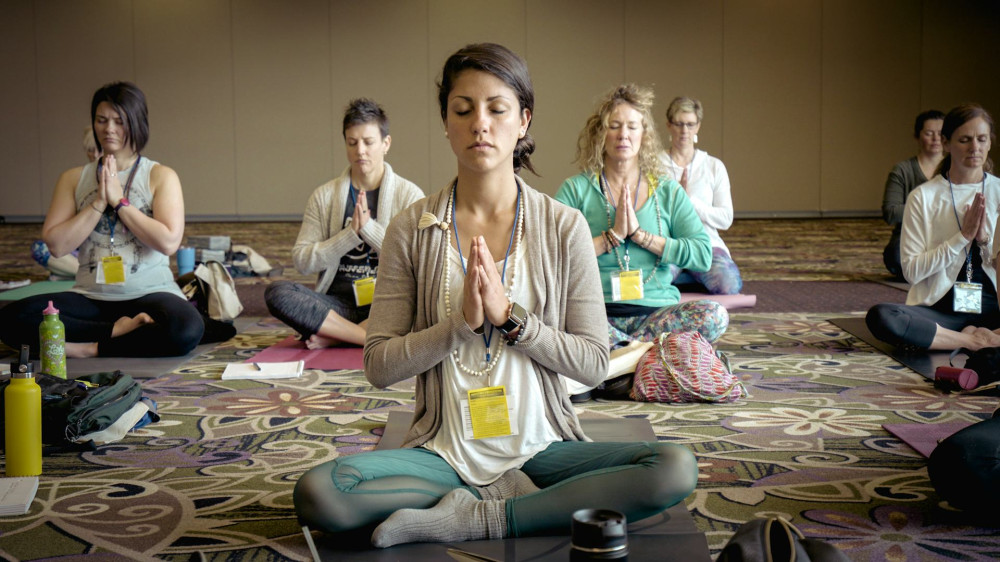
Many students come to yoga believing there’s a “right” way to breathe. This idea can create tension and self-consciousness. Your role as a teacher is to create a safe, nonjudgmental space where the breath can simply be as it is. Invite students to start by observing their breathing without trying to change it. When they realize there’s nothing to perform or perfect, the body often begins to relax on its own.
A simple cue is to have them notice the movement of the belly and chest as they inhale and exhale. This awareness helps them reconnect with their bodies and quiet the mind.
Use the Breath as an Anchor for Movement
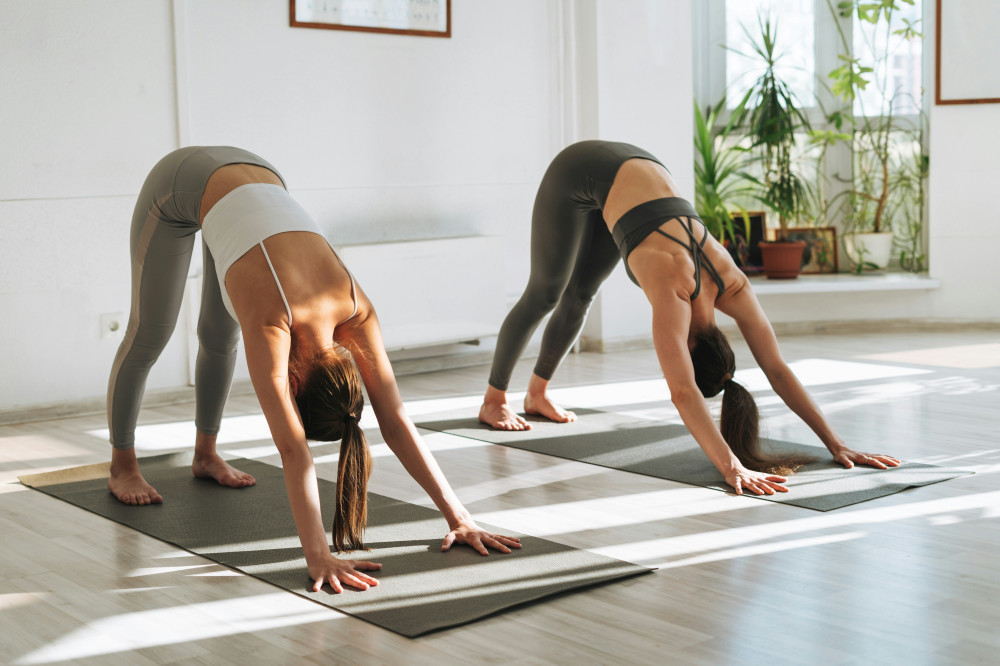
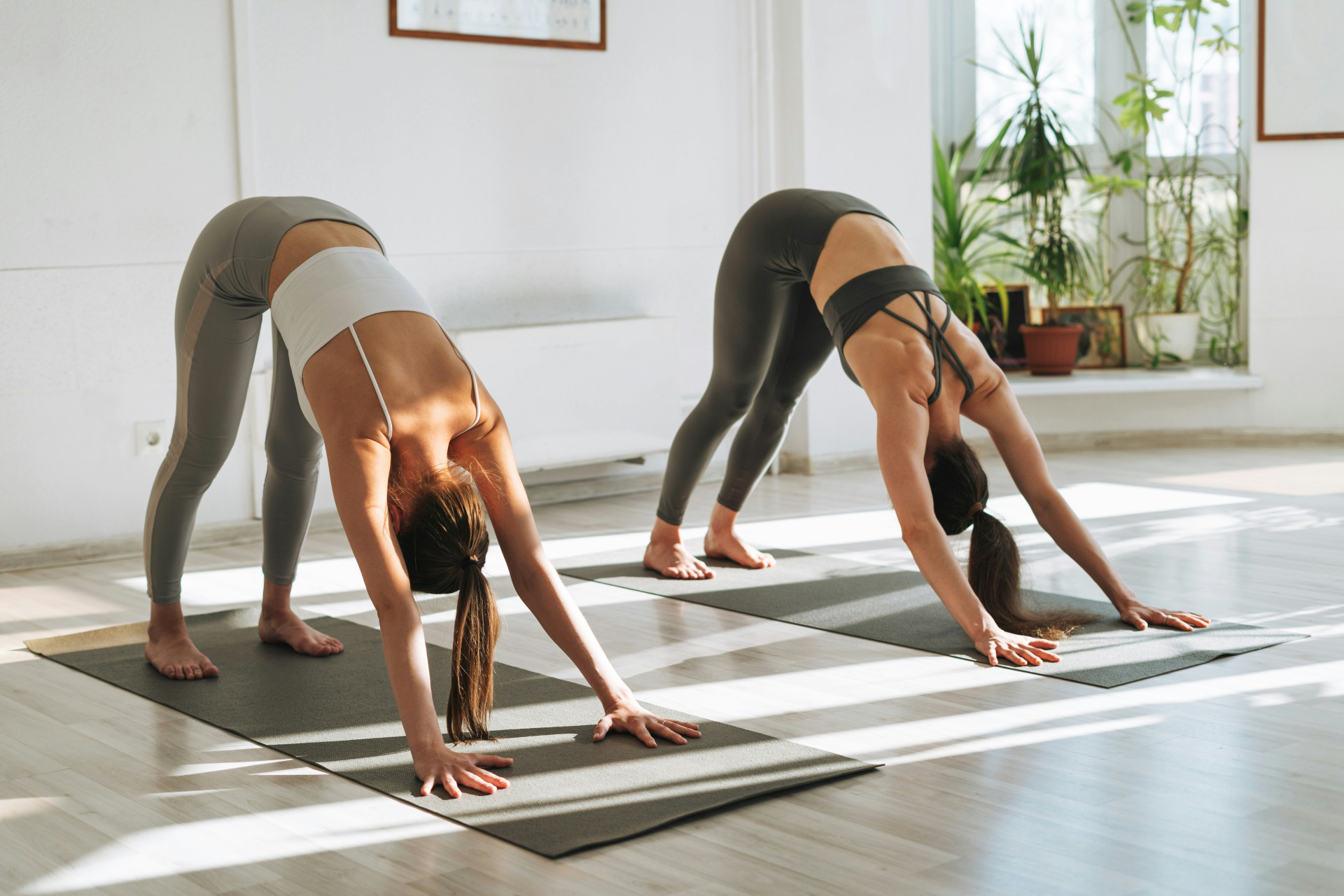
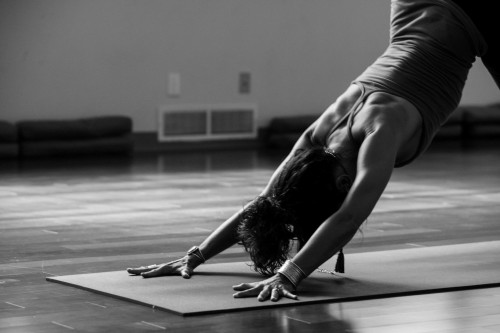
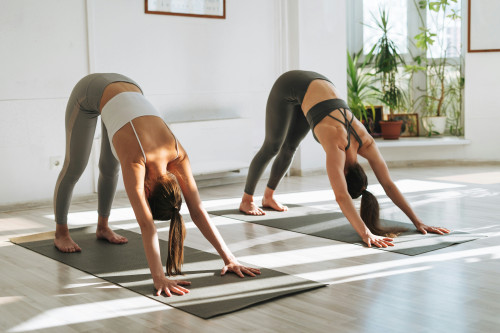
In many yoga styles, breath sets the pace for movement. As you teach, help students find a rhythm where breath and motion flow together. It can be as simple as reminding them to inhale as the body opens and exhale as it folds.
When breath leads the movement rather than the other way around, students move with greater ease and mindfulness. This shift transforms the practice from a physical workout into a meditative experience, where the focus moves from performance to presence.
Help Students Feel the Difference
One powerful teaching tool is to let students experience the contrast between holding the breath and letting it flow freely. For example, ask them to perform a simple pose first while holding their breath, and then again with smooth, steady breathing. Most will immediately notice how the body tenses in the first case and softens in the second.
This direct experience shows why breath is so central—it’s not about technique, but about connection and awareness.
Adapt Your Guidance to Each Student
Not everyone breathes the same way, and it’s important to honor individual differences. Some students naturally breathe deeply, while others may need time to release tension in the chest or abdomen. Support them with gentle verbal cues rather than physical corrections.
If you teach pranayama or more structured breathing exercises, introduce them gradually. Explain the purpose behind each technique, and remind students that they can always return to their natural breath if something feels uncomfortable.
Build in Moments for Stillness
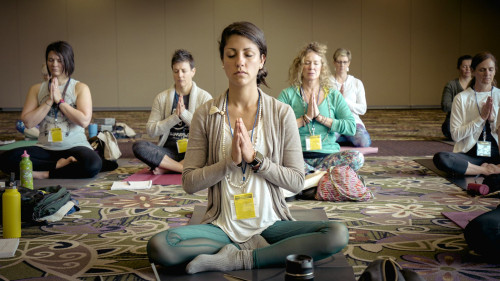
In a fast-paced world, one of yoga’s greatest gifts is the pause—the moments when everything settles. Include short breaks in your classes where students can simply sit or lie down and feel their breath. These pauses might come after a challenging sequence or as transitions between poses.
Such moments allow the nervous system to reset and help students integrate what they’ve experienced. Often, this is when they feel the deepest effects of the practice.
Læs også:

Breath as a Path to Presence
When students learn to use their breath as a tool for presence, they gain something they can carry beyond the mat. A few conscious breaths can bring calm in the middle of a busy day, ease stress, and restore focus.
As a yoga teacher, you are the one who shows the way—not by dictating how they should breathe, but by reminding them that the breath is always there as an anchor. When you teach with calm and presence yourself, your students will naturally follow your lead.
Læs også: