The Many Forms of Yoga: Differences in Poses, Breathing, and Mindfulness

The Many Forms of Yoga: Differences in Poses, Breathing, and Mindfulness
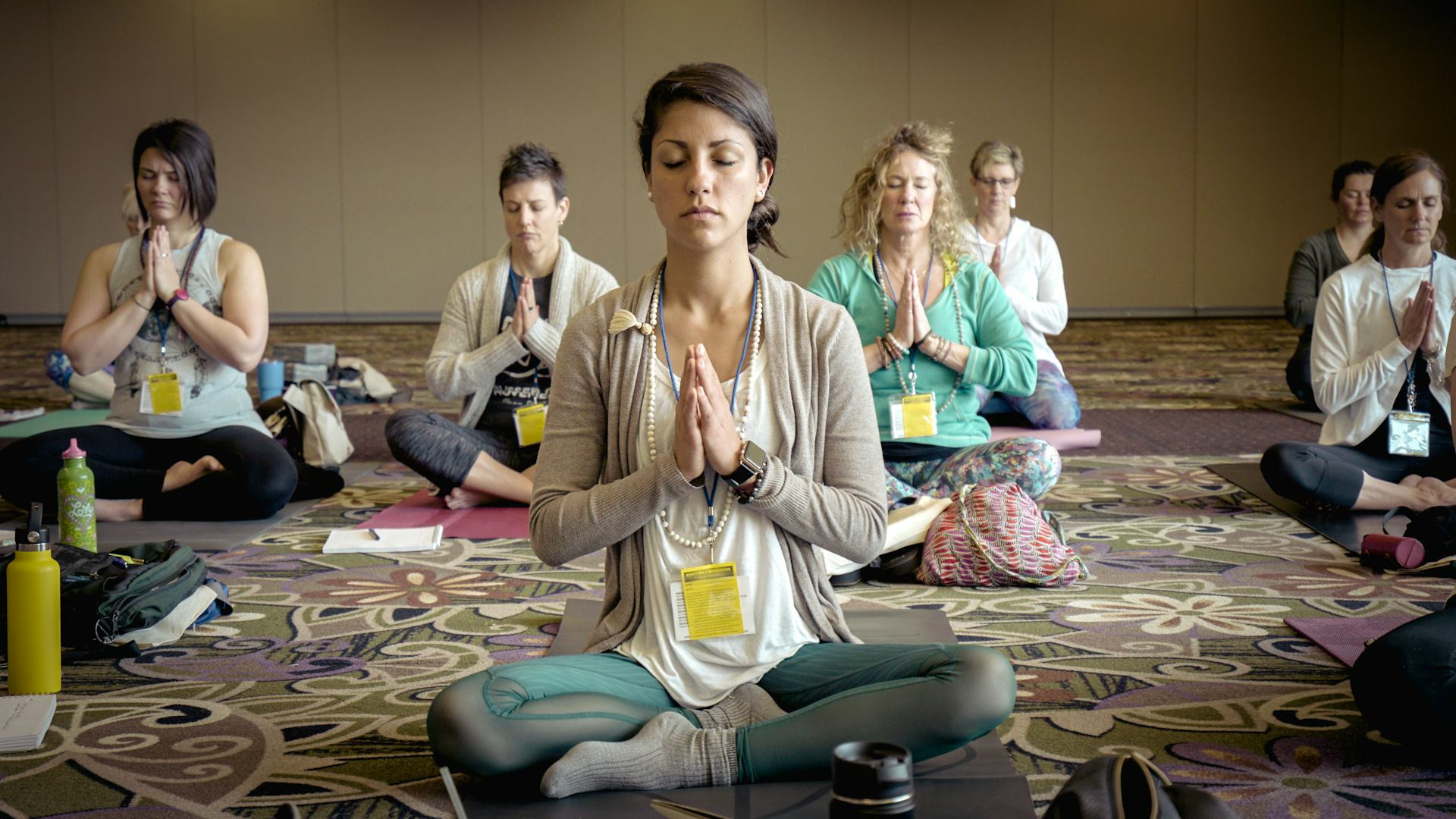
Yoga is far more than a single practice—it’s a diverse world of traditions, techniques, and philosophies. Some styles emphasize physical strength and flexibility, while others focus on breath, stillness, and meditation. What unites them all is the goal of creating harmony between body and mind. Here’s an overview of some of the most popular yoga styles in the United States—and how they differ in poses, breathing, and approach to mindfulness.
Hatha – The Foundational Practice
Hatha yoga is often the starting point for beginners. It’s a gentle, foundational style that introduces the classic postures (asanas) and breathing techniques (pranayama). The pace is moderate, allowing time to focus on alignment and awareness in each pose.
Rather than pushing the body to its limits, Hatha encourages balance between effort and relaxation. It’s ideal for those new to yoga or anyone seeking a calm, steady practice that strengthens the body while soothing the mind.
Læs også:

Vinyasa – Flowing with the Breath
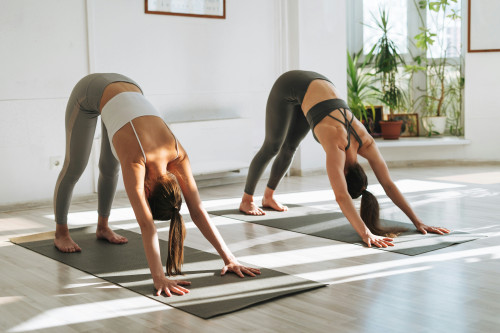
Vinyasa yoga is more dynamic and fluid. In this style, movements are linked together in sequences that follow the rhythm of the breath. The result is a meditative flow where body and breath move as one.
Vinyasa classes can vary widely in intensity—from slow, gentle flows to vigorous, sweat-inducing sessions. This style builds endurance, balance, and focus, while offering a moving meditation that helps quiet the mind and release tension.
Ashtanga – Structure and Discipline
Ashtanga yoga is a physically demanding and highly structured practice. It follows a set sequence of poses performed in the same order each time. Each posture prepares the body for the next, and the breath is used to generate internal heat and concentration.
This disciplined approach requires patience and consistency, but the rewards are significant: a strong, flexible body and a calm, centered mind. Many practitioners describe Ashtanga as a form of moving meditation, where repetition leads to deep inner focus.
Yin – Stillness and Deep Release
While most yoga styles work primarily with the muscles, Yin yoga targets the deeper connective tissues, joints, and fascia. Poses are held for several minutes, often while seated or lying down, allowing the body to soften and release tension gradually.
Yin invites stillness—both physical and mental. It’s a quiet, introspective practice that teaches acceptance and patience. Many people use Yin as a complement to more active workouts or as a way to unwind from the fast pace of modern life.
Kundalini – Energy and Awareness
Kundalini yoga stands apart for its combination of movement, breathwork, mantra, and meditation. The goal is to awaken the body’s inner energy and expand awareness.
A typical Kundalini session might include rhythmic movements, powerful breathing techniques, and chanting. It can feel intense, but many practitioners report a profound sense of vitality and clarity afterward. It’s a practice that engages both body and spirit.
The Breath as a Bridge
No matter which style you choose, the breath is the thread that connects them all. It links body and mind, helping you stay present in each moment. Yoga uses a variety of breathing techniques—from slow, calming breaths to energizing, cleansing ones—depending on the intention of the practice.
Becoming aware of your breath can itself be a form of meditation. It calms the nervous system, enhances focus, and deepens your connection to your body.
Mindfulness as the Common Ground
Despite their differences, all yoga styles share a foundation of mindfulness. Whether you’re holding a challenging pose or resting in stillness, yoga invites you to notice what’s happening—without judgment or distraction.
This awareness is what transforms yoga from simple exercise into a holistic practice. It strengthens not only the body but also the mind and the ability to be fully present in daily life.
Finding the Right Style for You
There’s no single “right” way to practice yoga. Some people thrive on structure and intensity, while others prefer calm and reflection. The key is to find a style that fits your body, personality, and lifestyle.
Experiment with different classes and teachers, and pay attention to how each practice makes you feel. The beauty of yoga lies in its diversity—and in the opportunity to discover your own path to balance, breath, and mindfulness.
Læs også: