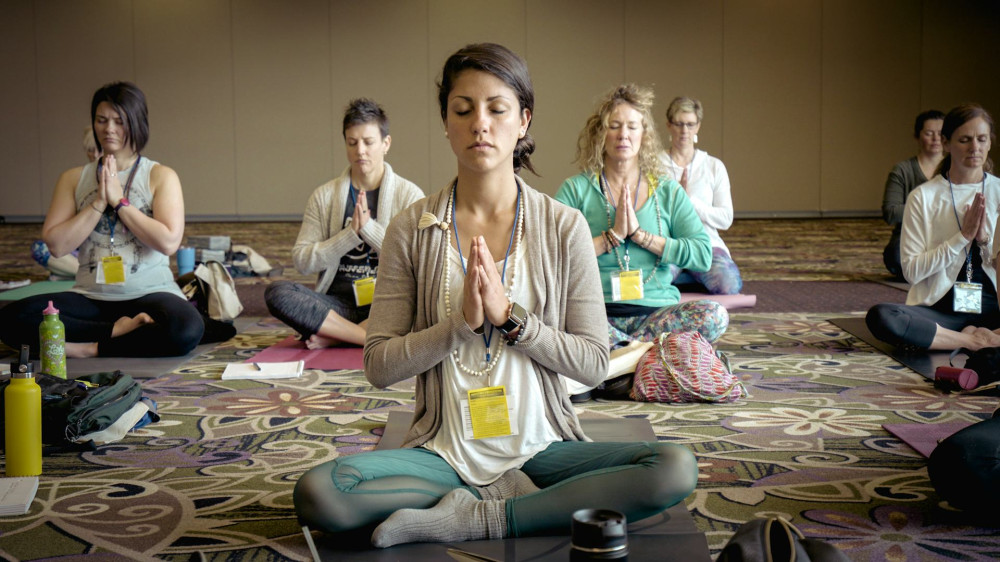
Meditation for Beginners: How to Get Started Without Feeling Overwhelmed


Meditation for Beginners: How to Get Started Without Feeling Overwhelmed
Meditation is often associated with calm, focus, and inner balance—but for many people, the idea of sitting still and “clearing the mind” can feel intimidating. Thoughts race, the body fidgets, and it can seem impossible to find peace. The good news is that meditation isn’t about stopping your thoughts; it’s about learning to notice them without getting swept away. Here’s a simple guide to help you start meditating without feeling overwhelmed.
What Meditation Really Is
At its core, meditation is a form of mental training that helps you become more present. You can focus on your breath, bodily sensations, sounds, or even a repeated word or phrase. The common thread is attention: you gently bring your focus to one thing, and when your mind wanders—as it inevitably will—you bring it back.
The goal isn’t to achieve a perfect state of stillness, but to become more aware of what’s happening in your mind. Over time, this awareness can lead to greater calm, improved concentration, and a more balanced response to everyday stress.
Start Simple—and Keep It Short
One of the biggest mistakes beginners make is setting unrealistic expectations. You don’t need to sit cross-legged for an hour to benefit. Start with just five minutes a day. Consistency matters more than duration.
Pick a time when you can sit quietly—maybe in the morning before your day begins or in the evening before bed. Sit comfortably, close your eyes, and focus on your breathing. Notice the air moving in and out. When your thoughts wander, simply acknowledge it and return to your breath. That gentle return is the essence of meditation.
Læs også:


Create a Calm Space
While you can meditate anywhere, having a dedicated spot can make it easier to settle into the practice. It doesn’t have to be fancy—a corner of your living room, a cushion by the window, or a chair on your porch. The key is to associate that space with stillness and presence.
If you live in a noisy area, try using earplugs or soft background sounds like nature recordings or gentle instrumental music. The goal isn’t to block out the world completely, but to create an environment that supports your focus.
Use Guided Meditations for Support
For many beginners, guided meditations are a great way to get started. A calm voice leads you through the process, helping you stay focused and relaxed. There are plenty of free apps and online resources that offer guided sessions of different lengths and themes—such as relaxation, gratitude, or better sleep.
As you grow more comfortable, you can experiment with meditating on your own. But there’s no single “right” way to meditate. The best approach is the one that feels natural and sustainable for you.
When Your Mind Won’t Quiet Down
It’s completely normal for your thoughts to feel louder when you first start meditating. That doesn’t mean you’re doing it wrong—quite the opposite. Meditation is about noticing how busy the mind can be and learning not to react to every thought that appears.
When you realize you’ve been caught up in a thought, gently acknowledge it and return to your focus point. Over time, you’ll notice that while thoughts still come and go, they have less power over you. You begin to see them as passing clouds rather than storms that sweep you away.
Make It a Habit
Like any skill, meditation takes regular practice. It’s better to meditate for five minutes every day than for half an hour once a week. Try setting a reminder on your phone or linking meditation to an existing routine—like after your morning coffee or before bedtime.
Some days will feel easy, others more challenging. That’s perfectly normal. The key is to approach your practice with patience and curiosity. Meditation isn’t about perfection—it’s about showing up.
Small Changes That Grow Over Time
After a few weeks, you may start to notice subtle shifts: you react less impulsively, sleep more soundly, or feel more present in conversations. These are signs that your practice is taking root. The benefits don’t come from a single session, but from the quiet repetition, day after day.
Meditation is a journey, not a destination. The more you practice, the easier it becomes to find calm—even in the middle of a busy day.
Læs også: