Team Conflicts? How to Turn Challenges into Strengths

Team Conflicts? How to Turn Challenges into Strengths
Whether it’s on the basketball court, in a corporate project team, or on a volunteer committee, conflicts are bound to happen sooner or later. When people with different personalities, goals, and communication styles work together, friction is almost inevitable. But conflict doesn’t have to be destructive — in fact, it can become a source of growth and innovation if handled the right way. Here’s how you can turn disagreements into strengths and build a more united team.
Understand the Nature of Conflict
A conflict arises when two or more people feel that their needs, goals, or values are in opposition. It might be about workload, decision-making, or recognition. The first step toward resolving a conflict is understanding what it’s really about.
Often, emotions like frustration, insecurity, or a lack of appreciation lie beneath the surface. Taking the time to listen and ask questions can prevent small misunderstandings from turning into major issues.
Create a Culture Where Disagreement Is Safe
A strong team isn’t one without conflict — it’s one that can talk about it openly. When disagreement is seen as natural, people feel safe expressing their opinions, which strengthens trust and collaboration.
As a manager, coach, or team leader, you can set the tone by showing that it’s okay to disagree. Encourage open conversations where everyone has a voice and the focus is on solutions, not blame. Consider scheduling regular check-ins to talk about teamwork and well-being — not just performance and results.
Communication: From Blame to Understanding
Many conflicts escalate because communication turns accusatory. Instead of saying, “You never listen,” try using “I” statements: “I feel unheard when…” or “I get frustrated when…” This shifts the focus from blame to experience and makes it easier for others to listen.
Active listening also helps. Repeat back what you’ve heard to confirm understanding. This simple act builds respect — and respect is the foundation of any resolution.
Use Differences as a Strength
Every team is made up of different types of people: some are quiet and analytical, others are energetic and outspoken. Instead of seeing these differences as a source of conflict, use them as a resource. The analytical thinker might excel at planning, while the extrovert can energize and motivate the group.
When everyone feels their contribution is valued, the team becomes stronger. That requires awareness and intentional effort to make space for different working and communication styles.
Address Conflicts Early — and Constructively
The longer a conflict lingers, the harder it becomes to resolve. Address issues while they’re still small. It might be a quick conversation after a meeting or a short check-in to clear the air.
A good approach is to let each person describe the situation from their perspective, then work together to find a way forward. The goal isn’t to determine who’s right, but to find a solution everyone can support.
When Emotions Run High
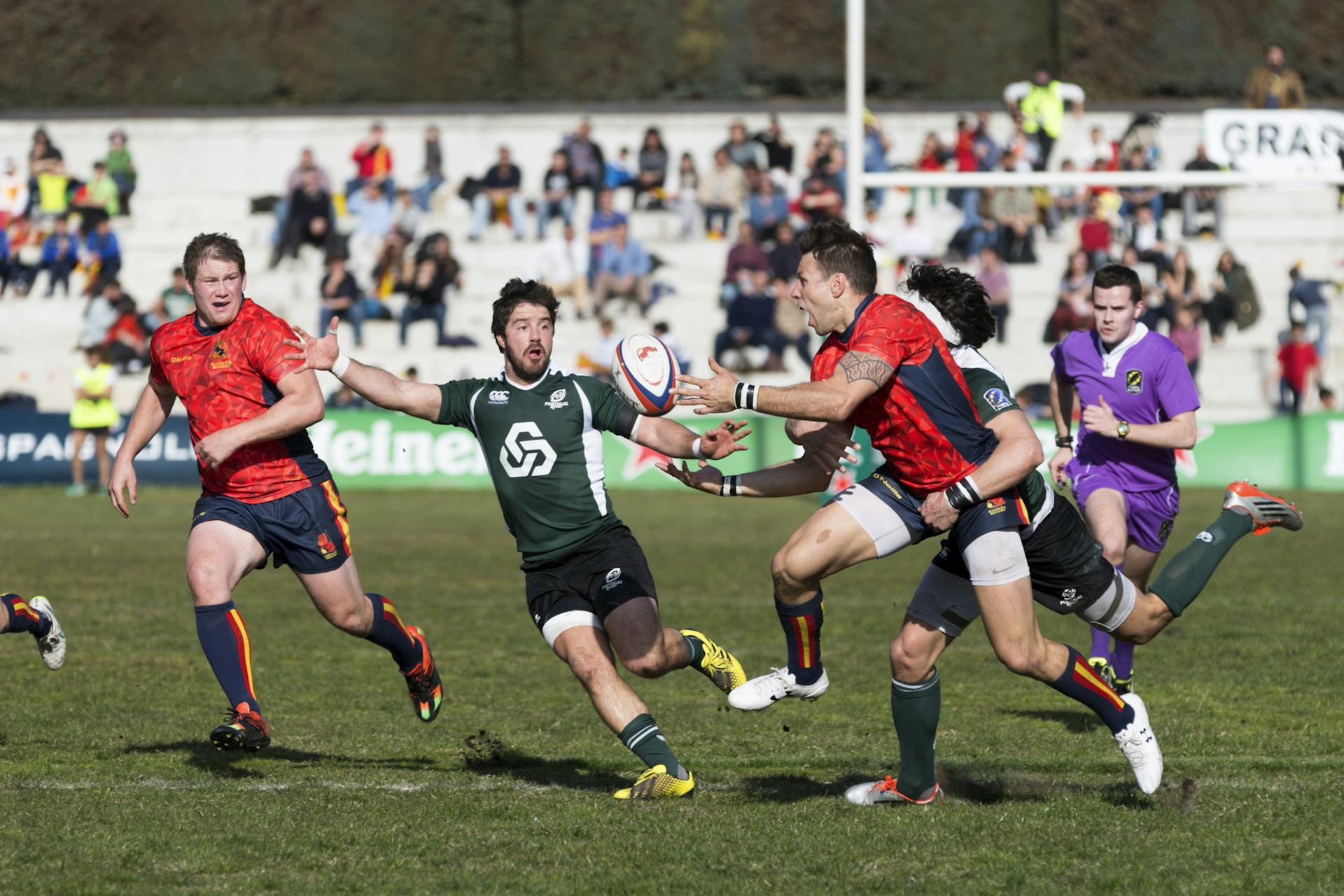
In both sports and workplaces, emotions are part of the game. Passion drives performance — but it can also lead to clashes. If a conflict becomes heated, it may help to take a break before continuing the discussion. Once emotions cool down, it’s easier to think clearly and find common ground.
As a leader, staying calm and showing that you take the situation seriously helps create a sense of safety. It signals that conflicts can be handled respectfully and productively.
Læs også:


Learn from the Conflict
Once a conflict is resolved, take time to reflect: What did we learn? Maybe communication improved, or roles became clearer. Reflecting on the process helps the team grow stronger and more resilient.
Conflicts can be uncomfortable, but they can also be catalysts for development. A team that dares to face disagreements head-on is better prepared to handle challenges — both on and off the field.
Unity Is Built in Adversity
It’s easy to be a great team when everything is going smoothly. True strength shows when things get tough. By viewing conflict as a natural part of collaboration — and as an opportunity to grow — you can build a team that doesn’t just work together, but stands together.
Læs også: