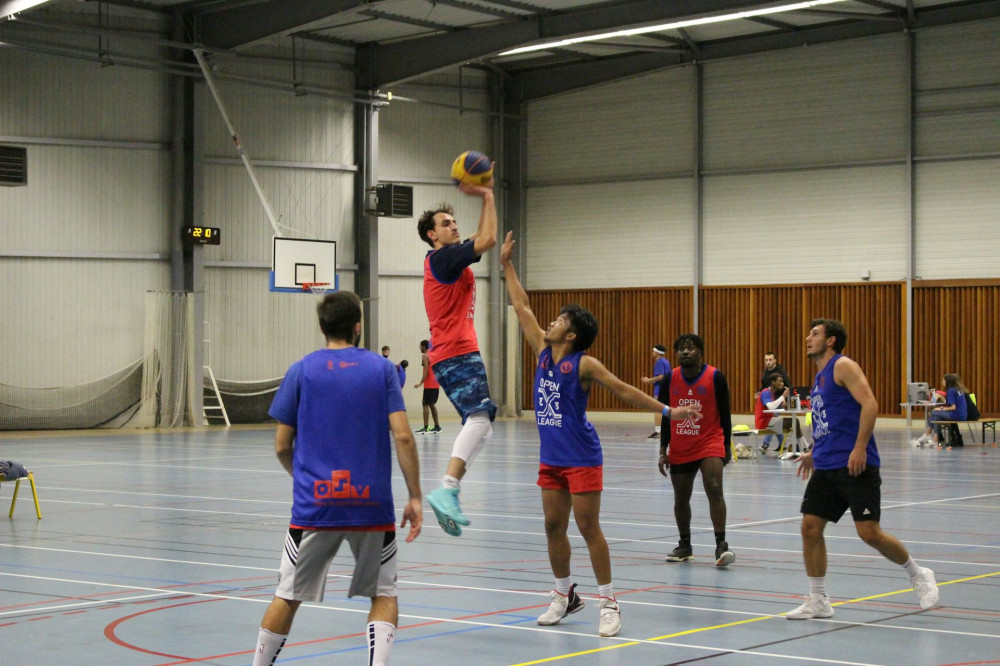
Mental Tools for Athletic and Personal Development

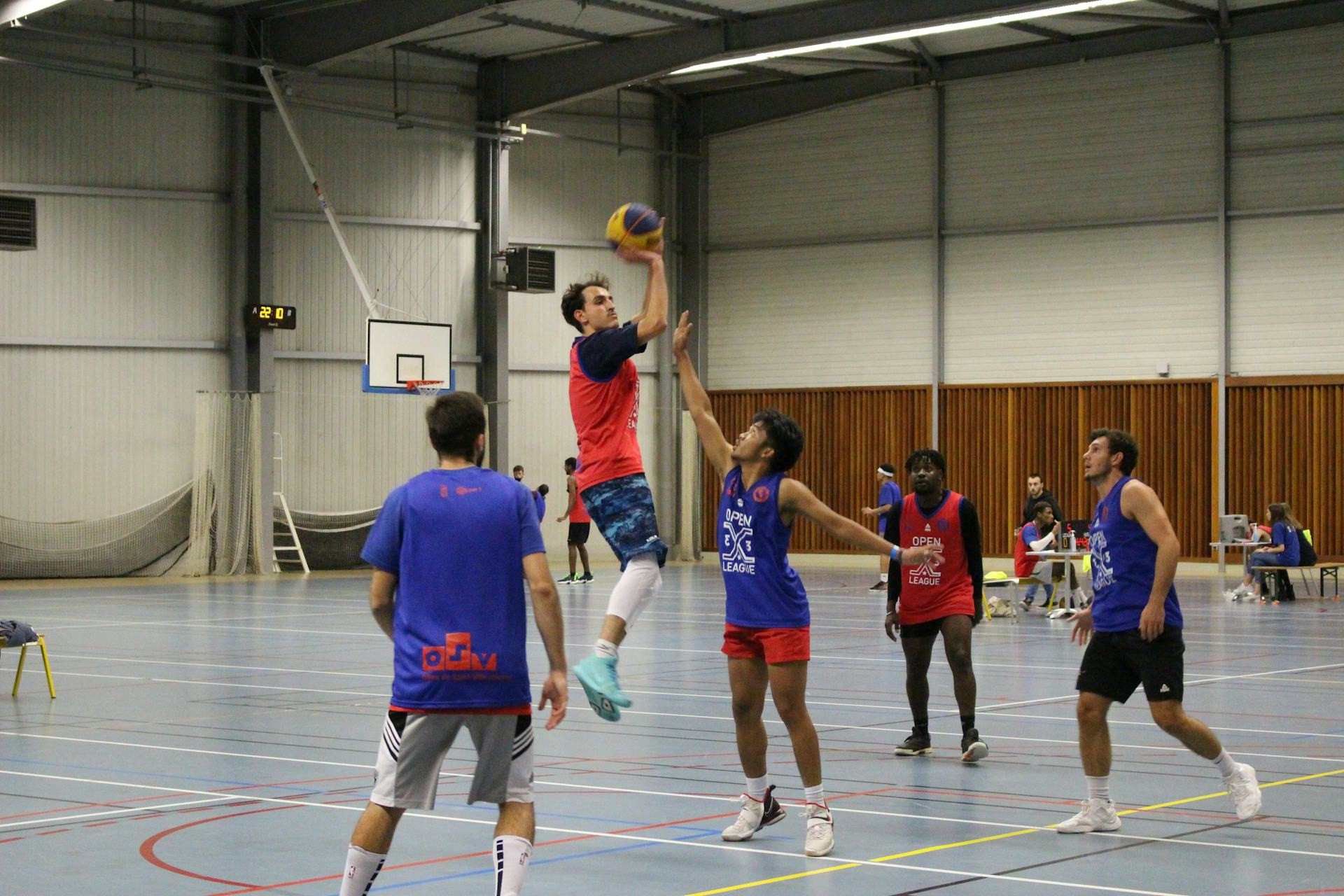
Mental Tools for Athletic and Personal Development
In the world of sports, success isn’t just about physical strength, skill, or strategy. The best athletes—at every level—also rely on a strong mental toolkit. The ability to handle pressure, stay focused, and bounce back from setbacks often separates the good from the great. But mental tools aren’t only for elite performers. They can benefit anyone who wants to grow—both on the field and in everyday life.
Mental Strength – More Than Willpower
Mental strength is often mistaken for sheer determination, but it’s much more than that. It’s about staying calm under pressure and thinking clearly even when your body is tired and your nerves are on edge.
Developing mental strength requires deliberate practice. Just like muscles, your mental capacity needs to be challenged and maintained. This can be done through reflection, visualization, and learning to work with your thoughts and emotions in a constructive way.
Visualization – See Success Before It Happens
Visualization is one of the most widely used mental tools in sports. It involves imagining a performance as vividly as possible—how it feels, looks, and sounds when everything goes right.
By repeating this mental exercise, you create a “pathway” in your brain that makes it easier to execute the movement in real life. Many top athletes use visualization before competitions to prepare mentally and build a sense of control.
You can use this technique in many situations: before a big game, an exam, or a presentation. The more detailed your mental image, the stronger the effect.
Goal Setting – The Road to Motivation
A clear goal gives direction and purpose. But goal setting isn’t just about dreaming big—it’s also about breaking those dreams into realistic, achievable steps.
A helpful method is to use SMART goals: specific, measurable, attainable, relevant, and time-bound. This approach makes it easier to track progress and adjust along the way.
When setting goals, focus on what you can control—your effort, preparation, and attitude—rather than outcomes that depend on others.
Focus and Presence – Staying in the Moment
In sports, a single moment of distraction can mean the difference between success and failure. That’s why the ability to stay fully present is crucial.
Mindfulness and breathing techniques can help create calm and concentration. By training your attention, you learn to notice thoughts and emotions without letting them take over.
The same applies to daily life: when you’re fully engaged in what you’re doing—whether it’s training, working, or spending time with others—you improve both your performance and your well-being.
Handling Adversity – Learning from Setbacks
There’s no growth without adversity. That’s true in both sports and life. The mental challenge lies in viewing setbacks as opportunities to learn rather than as failures.
A useful exercise after disappointment is to ask yourself three questions:
- What went well?
- What can I learn from what didn’t go as planned?
- What will I do differently next time?
By analyzing instead of blaming, you build a constructive mindset that strengthens you for future challenges.
Læs også:

Confidence and Self-Compassion – Two Sides of the Same Coin
Confidence grows through successful experiences, but also through the ability to support yourself when things don’t go as hoped. That’s where self-compassion comes in.
Being self-compassionate doesn’t mean being complacent—it means treating yourself with understanding instead of harsh criticism. This approach fosters calm and courage to try again.
When you combine confidence with self-compassion, you create a solid foundation for both athletic and personal growth.
From Sports to Everyday Life – Applying Mental Tools Beyond the Game
The mental tools used in sports can easily be applied to everyday situations. Visualization can help you prepare for an important meeting. Goal setting can bring structure to a long-term project. And the ability to handle adversity can make you more resilient at work or in relationships.
In this way, sports become a laboratory for personal development—a place where you learn about your strengths, limits, and capacity to grow.
A Lifelong Practice
Mental skills aren’t something you master once and for all. They require maintenance, curiosity, and patience. But the rewards are significant: greater calm, improved performance, and a deeper understanding of yourself.
Whether you’re an athlete, a weekend warrior, or simply someone who wants to handle life’s challenges more effectively, mental tools can help you find balance between performance and well-being—both on and off the field.
Læs også: