Foundational Training as the Key to Better Team Sports Performance

Foundational Training as the Key to Better Team Sports Performance
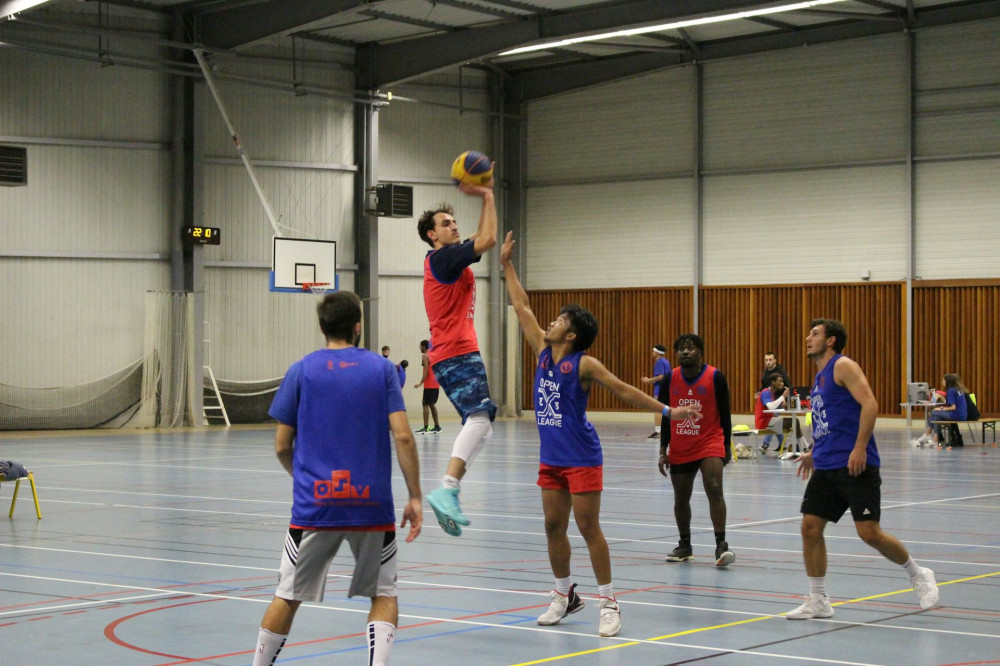
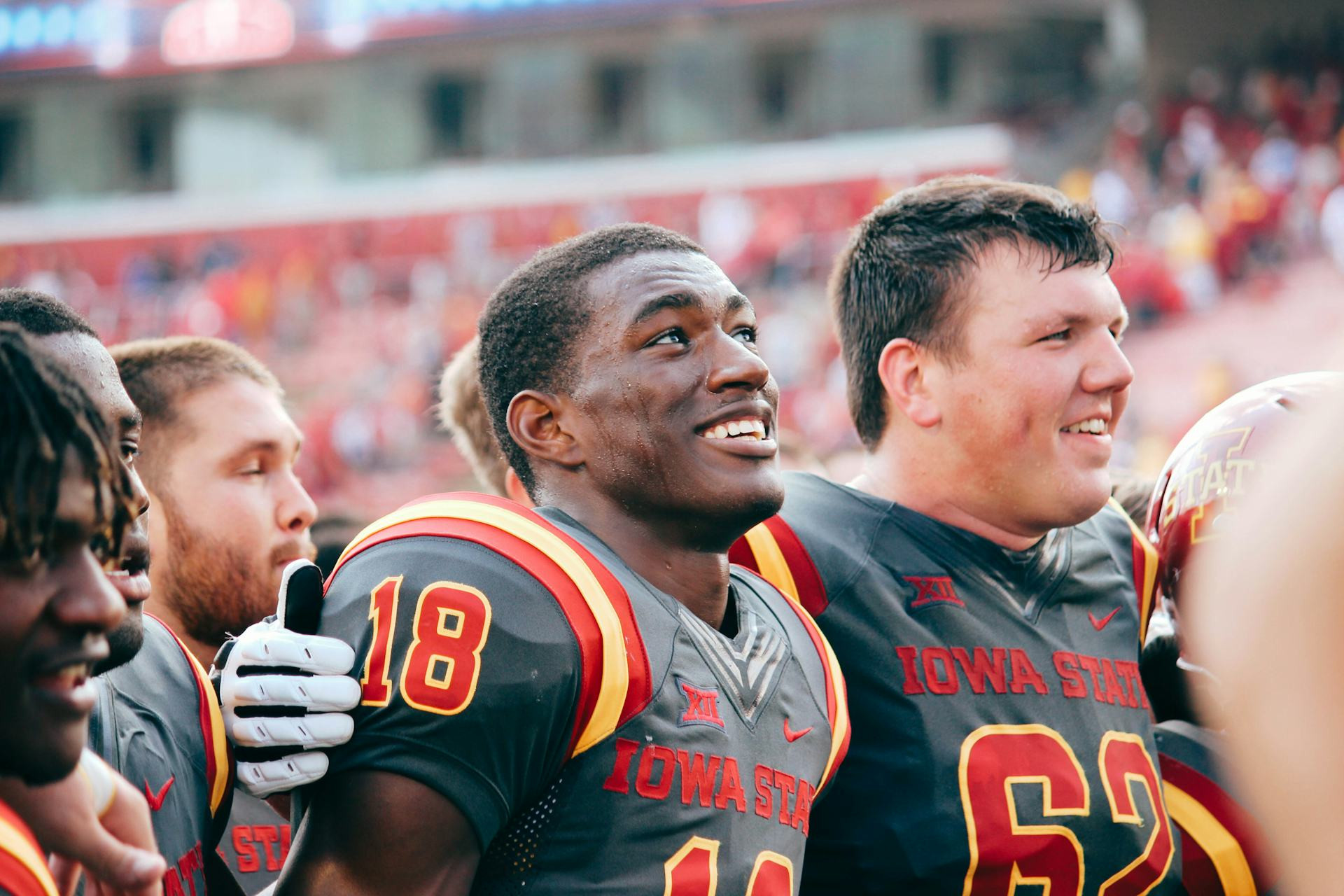
Whether you play soccer, basketball, football, or volleyball, one thing stands out among top athletes: a strong physical foundation. Foundational training—the general physical preparation that supports, but is not specific to, the technical aspects of a sport—is often the hidden factor that separates good players from great ones. It builds the base for speed, endurance, strength, and stability, allowing athletes to perform at a high level throughout the entire season.
What Is Foundational Training?
Foundational training focuses on developing the body’s overall capacity. It strengthens muscles, joints, and the cardiovascular system so the body can handle the demands of sport-specific training. While technical and tactical drills refine skills and strategy, foundational training ensures the body is ready to execute them efficiently and safely.
Typical components of foundational training include:
- Strength training – with emphasis on the core, legs, and hips.
- Cardiovascular conditioning – to improve endurance and recovery.
- Movement training – such as flexibility, balance, and coordination work.
- Injury-prevention exercises – to reinforce tendons and joints and reduce overuse injuries.
Why Foundational Training Matters in Team Sports
Team performance depends on many factors: skill, strategy, communication, and mental toughness. But without a solid physical base, it’s difficult to make the most of those qualities. A player who tires quickly loses focus and precision. A player with weak core stability struggles to maintain balance in physical contests. And a player with limited mobility is more prone to injury.
Foundational training provides:
- More energy and endurance during the most demanding moments of a game.
- Better movement control, making technical skills more consistent.
- Fewer injuries, as the body becomes more resilient to stress.
- Faster recovery, allowing for more frequent and higher-quality training sessions.
Integrating Foundational Training into the Season
Foundational training shouldn’t be limited to the preseason. It should be a consistent part of the yearly plan, with different emphasis depending on the time of year.
- Preseason: Focus on building strength and conditioning. This is when the foundation for the season is laid.
- In-season: Maintain foundational fitness with shorter, targeted sessions—perhaps one or two per week.
- Off-season: A great time to address weaknesses, recover from injuries, and develop new physical qualities.
Training can include everything from weightlifting and running to functional bodyweight exercises, resistance bands, or medicine ball work. The key is to make it purposeful and tailored to each athlete’s needs.
Læs også:
Examples of Effective Foundational Exercises
While exercises should be adapted to each sport, some classics benefit nearly all athletes:
- Planks and side planks – build core strength and stability.
- Squats and lunges – develop leg power and balance.
- Mountain climbers and burpees – combine strength and conditioning.
- Hip and shoulder mobility drills – improve range of motion and prevent injuries.
- Interval training – enhances both endurance and explosiveness.
These exercises require minimal equipment and can easily be integrated into team practices or individual workouts.
Building Mental Strength Through Physical Readiness
Foundational training isn’t just about muscles and stamina—it also shapes the mind. When athletes feel strong and resilient, their confidence grows. Players who trust their physical capacity are more willing to take initiative and stay focused under pressure. Physical robustness becomes a mental advantage.
An Investment in Team Success
A team where every player has a solid physical base can play at a higher tempo, rely less on substitutions, and experience fewer injuries. That means more consistency, better teamwork, and a greater chance of success. Foundational training is not just an individual responsibility—it’s an investment in the team’s overall performance.
Prioritizing foundational training takes planning and patience, but the payoff is clear: stronger athletes, fewer injuries, and a team that can perform consistently from the first game to the last.
Læs også: