Two About the Game: Teamwork Exercises That Strengthen Timing and Communication

Two About the Game: Teamwork Exercises That Strengthen Timing and Communication
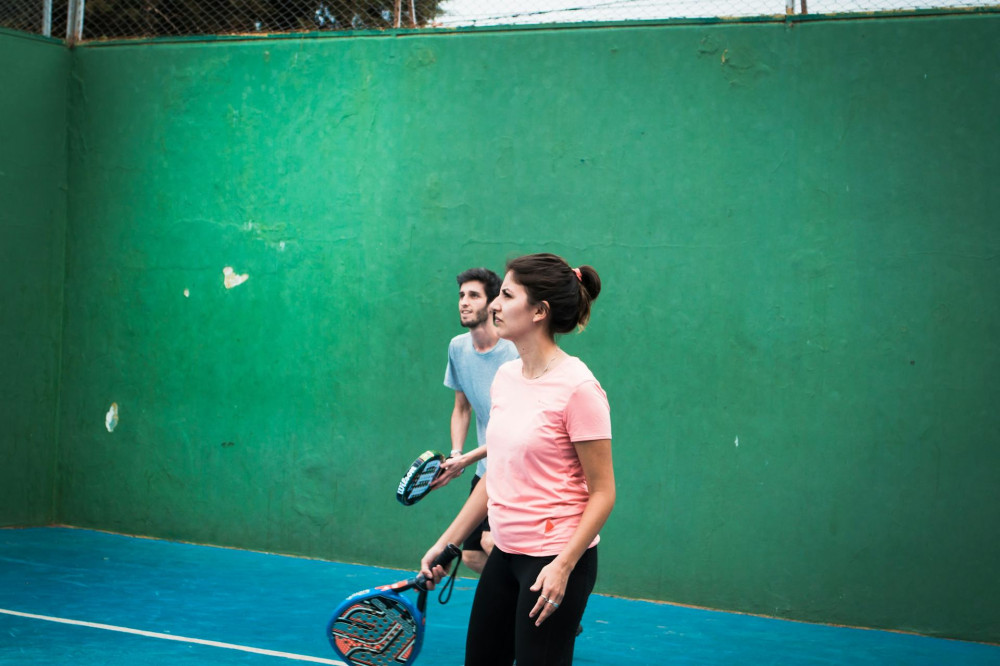
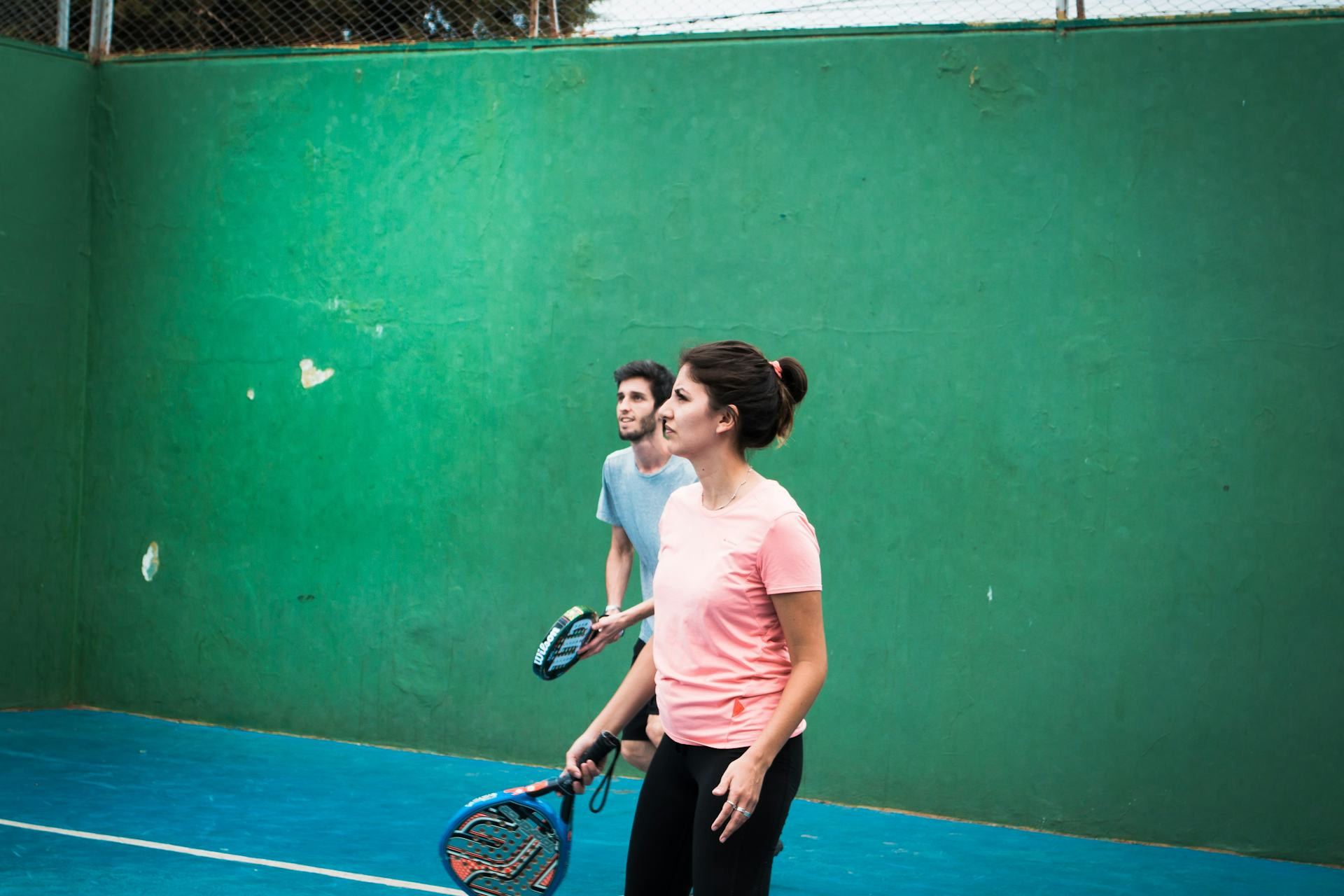
In many racket sports—like tennis, pickleball, and badminton—success isn’t just about power or precision. It’s about partnership. When two players move as one, the game flows with rhythm and confidence. Every shot, step, and glance connects. That kind of harmony doesn’t happen by chance—it’s built through trust, timing, and practice. Here are some teamwork exercises that can help you and your partner strengthen both your game and your connection on the court.
Why Teamwork Is the Real Advantage
Even the most skilled player can struggle if communication breaks down. In doubles or team play, understanding your partner’s strengths, weaknesses, and habits is essential. Good teamwork means you can anticipate each other’s moves, cover the court efficiently, and avoid those frustrating “mine or yours?” moments.
Communication isn’t just about words—it’s also about body language, eye contact, and awareness. When it clicks, the game feels effortless. When it doesn’t, everything feels rushed and uncertain. That’s why teamwork drills are just as important as technical training, no matter your level.
Drill 1: Switch and Cover
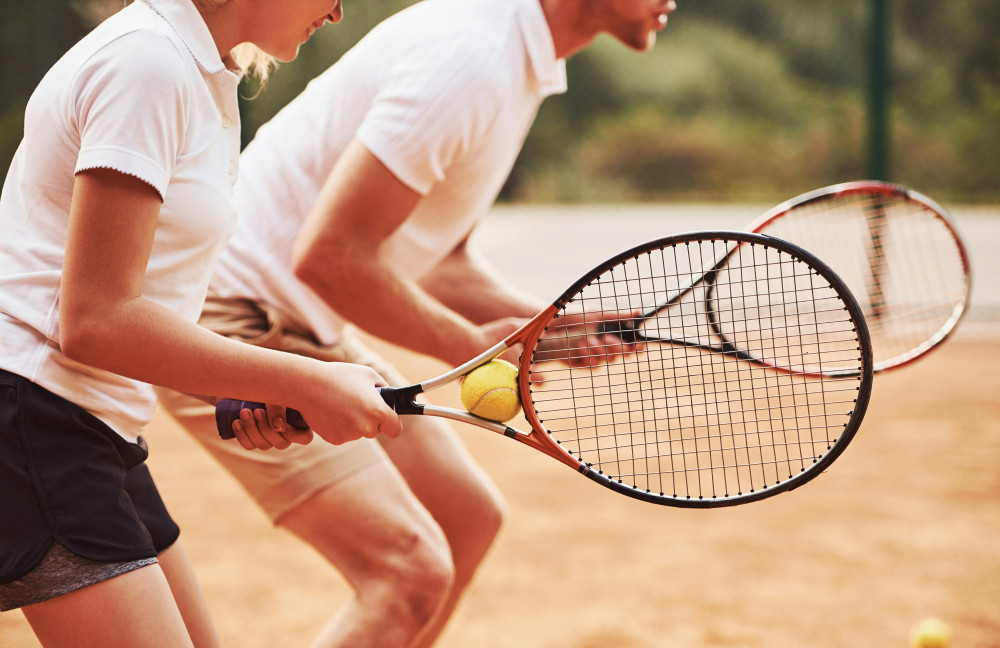
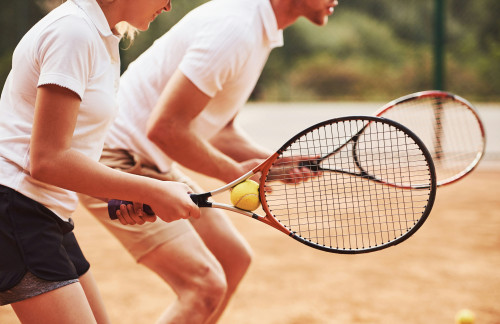
A classic exercise for improving timing and coordination is Switch and Cover. Two players stand on the same side of the court and must cover the entire area together. A coach or opponent hits shots to different zones, and the players must quickly decide who takes each one.
Focus on:
- Using clear, short signals like “mine” or “yours.”
- Moving in sync so no area is left open.
- Returning to your base positions after each shot.
This drill builds a sense of shared responsibility and helps develop a natural rhythm between partners.
Drill 2: Mirror Movement
In Mirror Movement, one player moves freely around the court while the other mirrors every step—forward, backward, and side to side. After a few minutes, switch roles.
The goal is to develop body awareness and sensitivity to your partner’s pace. It’s a simple but surprisingly challenging exercise that demands focus and presence. It also works well as a warm-up, getting your heart rate up while sharpening your coordination.
Drill 3: Serve and Response
In doubles, the serve and the next shot often set the tone for the rally. Serve and Response helps partners build rhythm and predictability. One player serves while the other prepares to react to the return. The goal is to coordinate movements so both players know exactly how the other will move after the serve.
Try varying serve placements and agree in advance on how you’ll cover the court afterward. This creates confidence and consistency—two key ingredients in a strong partnership.
Læs også:
Drill 4: Silent Play
A fun and challenging exercise is Silent Play, where you and your partner play without speaking. This forces you to rely on nonverbal cues—body position, eye contact, and movement. You’ll quickly discover how much you depend on verbal communication and how much you can achieve without it.
Afterward, discuss what worked and where confusion arose. It’s a great way to uncover hidden habits and improve your nonverbal understanding.
Drill 5: Rhythm and Flow
To fine-tune timing, try Rhythm and Flow drills. Play at a steady tempo—perhaps counting aloud or using music with a consistent beat. The goal is to find a shared rhythm where movement and shots feel synchronized.
When both players move in the same rhythm, reactions become faster and play becomes smoother. This is especially useful in fast-paced sports like pickleball or badminton, where the tempo can change in an instant.
Teamwork as Mental Strength
Teamwork isn’t just physical—it’s mental. When you trust your partner, you play with more freedom. You take smart risks because you know someone has your back. That trust builds calmness and confidence, which directly improves performance.
Strong partnerships take time. They grow through honest feedback, shared learning, and a willingness to laugh off mistakes. The best teams aren’t perfect—they’re adaptable, supportive, and resilient.
From Practice to Play
These exercises can easily fit into your regular training sessions. Start with short rounds and gradually increase speed and difficulty. The key is to focus on connection, not competition.
When teamwork clicks, the game transforms. It’s not just about winning points—it’s about the joy of moving together, anticipating each other’s next move, and feeling the game flow like music. Two players, one rhythm, one game.
Læs også: