Racket Weight in Different Sports – What Does It Mean for Your Game?

Racket Weight in Different Sports – What Does It Mean for Your Game?
When you pick up a racket—whether it’s for tennis, badminton, squash, or padel—the weight of that racket plays a bigger role than most players realize. It affects everything from power and control to how quickly your arm tires. But what does racket weight really mean for your game, and how do you find the right one for you?
Why Weight Matters
Racket weight isn’t just about how heavy it feels in your hand. It influences your entire playing style. A heavier racket usually delivers more power because it has greater mass behind the ball. However, it also requires more strength and can be harder to maneuver quickly.
A lighter racket, on the other hand, is easier to swing and allows for faster reactions—ideal for players who rely on speed, precision, and quick exchanges. The trade-off is that it may lack some punch, especially if you don’t naturally generate a lot of swing speed.
Tennis: Balancing Power and Control
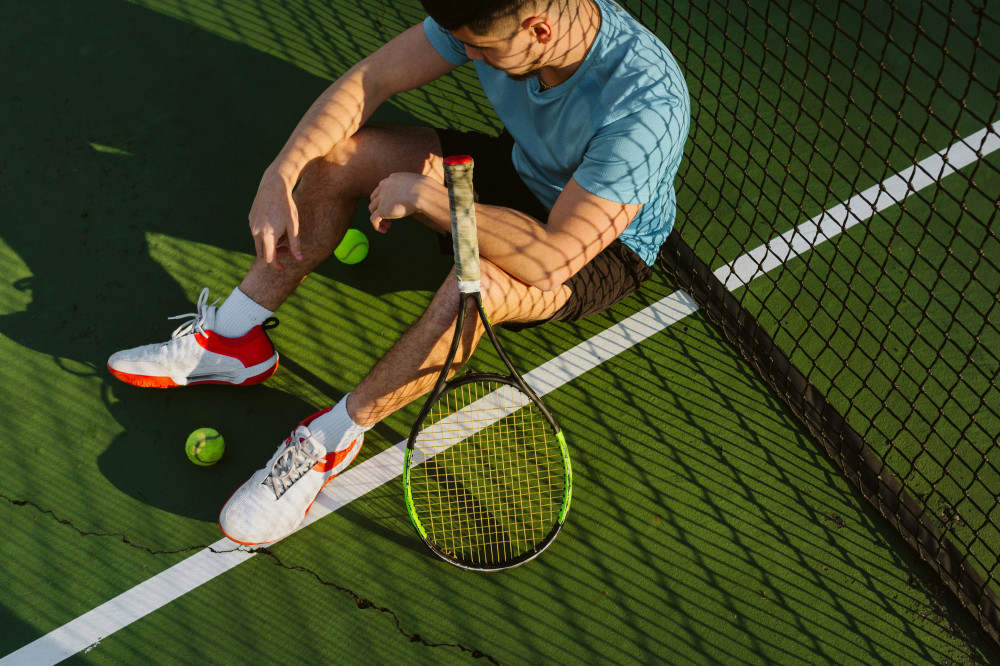
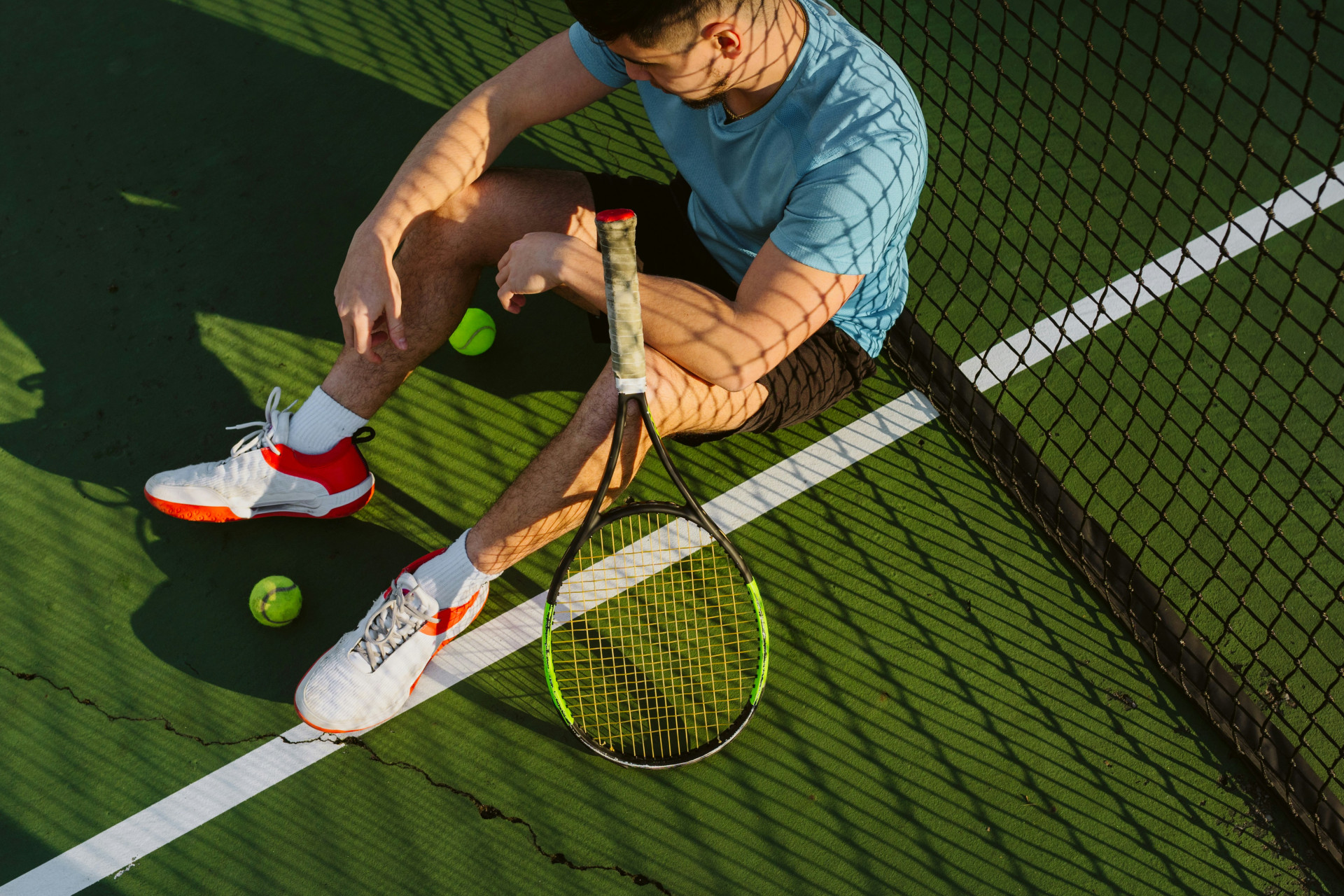
Most tennis rackets weigh between 9 and 12 ounces (unstrung).
- Lightweight rackets (9–10.2 oz) are popular among beginners and recreational players because they’re easy to handle and gentle on the arm.
- Midweight rackets (10.3–11.3 oz) offer a good balance of power and control, making them a favorite among intermediate players.
- Heavy rackets (11.4 oz and up) are often used by advanced players who can generate their own power and want maximum stability.
For tennis players, the key is finding a weight that matches your strength and playing style. A racket that’s too heavy can cause fatigue or even injury, while one that’s too light might make it difficult to hit deep, penetrating shots.
Badminton: Speed and Precision First
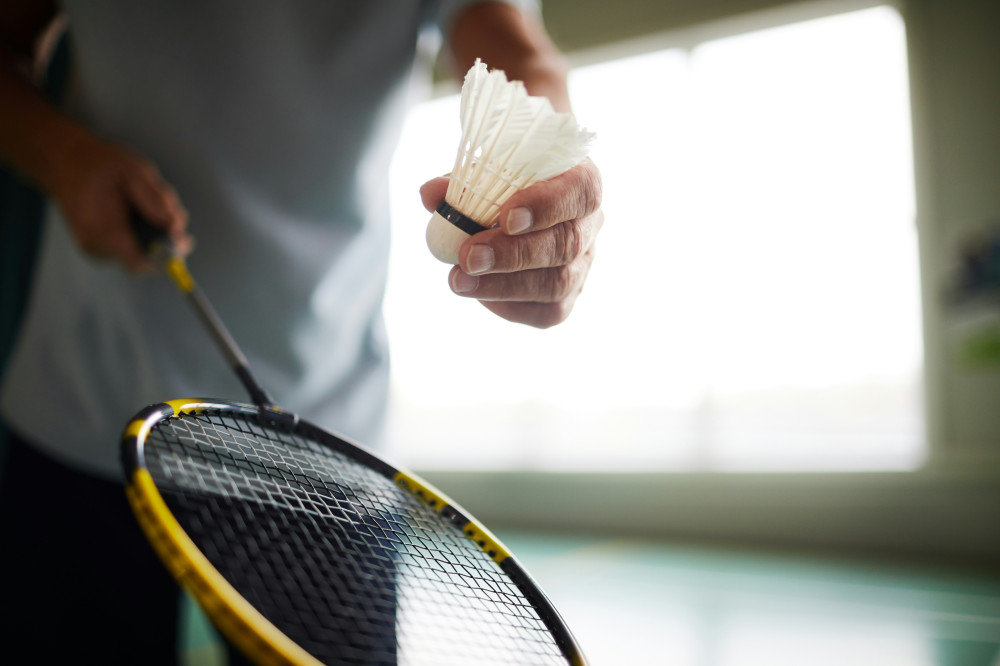
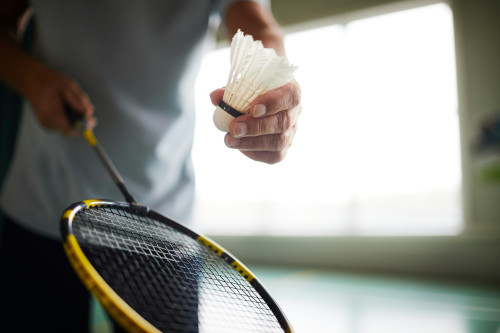
Badminton rackets are much lighter—typically between 2.5 and 3.5 ounces (70–100 grams). Here, weight affects how quickly you can react and change direction.
- Light rackets (2.5–2.8 oz) allow lightning-fast reactions and are great for doubles play, where speed is essential.
- Midweight rackets (2.8–3.1 oz) strike a balance between quickness and hitting power.
- Heavier rackets (3.1–3.5 oz) are often chosen by players who rely on powerful smashes and solid defense.
In badminton, weight distribution also matters—a head-heavy racket provides more power, while a head-light one offers quicker handling at the net.
Squash: Stability and Control in a Fast Game
Squash rackets usually weigh between 3.9 and 5.3 ounces (110–150 grams).
- Light rackets (3.9–4.4 oz) allow for quick swings and precise shots, ideal for agile, technical players.
- Heavier rackets (4.6–5.3 oz) provide more stability and power, especially for shots from the back of the court.
Because squash is played in a confined space with rapid exchanges, many players prefer lighter rackets for faster reactions. However, beginners often benefit from a slightly heavier model that offers better control and feel.
Padel: Weight and Balance Go Hand in Hand
Padel stands out from other racket sports because the racket (or paddle) has no strings. Padel paddles typically weigh between 12 and 13.8 ounces (340–390 grams).
- Lighter paddles (12–12.7 oz) are easier to maneuver and gentler on the elbow—great for beginners and control-oriented players.
- Heavier paddles (13–13.8 oz) deliver more power and stability during hard rallies but require more arm strength.
In padel, shape and balance are just as important as weight: a head-heavy paddle gives you more power, while a head-light one offers better control and quicker reactions at the net.
Læs også:


How to Find the Right Weight
There’s no single “correct” racket weight—it depends on your body, playing style, and experience. Here are some general tips:
- New to the sport? Choose a lighter racket that’s easy to handle and forgiving on your joints.
- Intermediate or strong player? Try a slightly heavier model for added stability and power.
- Dealing with elbow or shoulder pain? A lighter, well-balanced racket can reduce strain.
- Play fast and close to the net? Go for a light, head-light racket.
- Rely on heavy, powerful shots? A heavier, head-heavy racket can help you hit harder.
The best advice is to test different models. Many sports stores and clubs in the U.S. offer demo programs so you can feel the difference before buying.
Weight as Part of the Whole
While weight is important, it’s only one piece of the puzzle. Balance point, grip size, string tension, and materials all play a role. The right combination depends on how you play—and how you want to improve.
Finding the perfect racket isn’t just about numbers on a scale. It’s about how it feels in your hand, the rhythm of your swing, and the confidence it gives you every time you step onto the court.
Læs også: