Train Your Eye: How to Improve Your Aim in Any Condition

Train Your Eye: How to Improve Your Aim in Any Condition
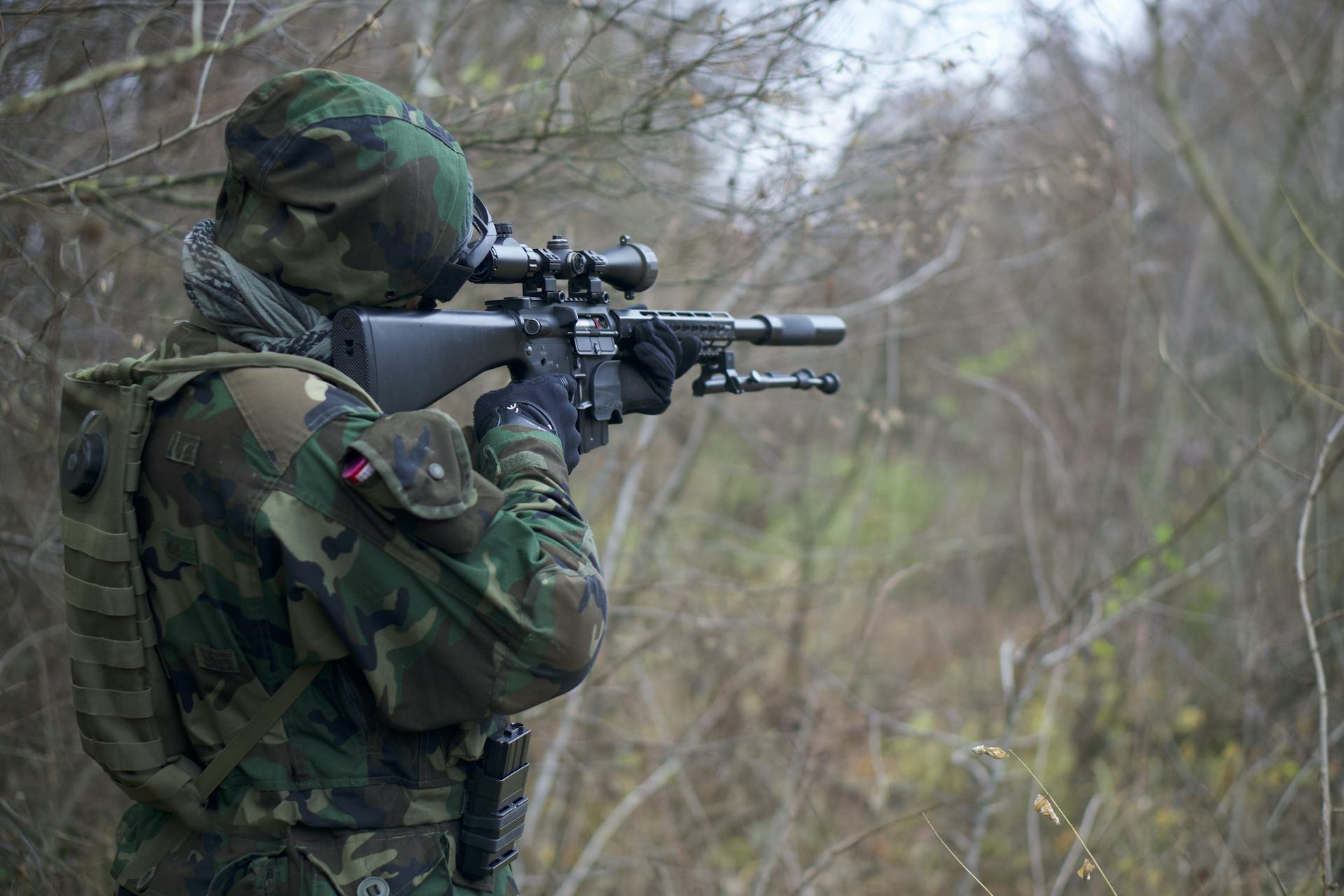
A steady hand and a well-tuned weapon are only part of the equation when it comes to accurate aim — your eyes play just as big a role. Whether you’re into target shooting, hunting, or competitive archery, your ability to focus and adapt visually can make or break your performance. With the right training, you can sharpen your concentration, improve eye coordination, and adjust more easily to changing light and weather. Here’s how to train your eyes and strengthen your aim — no matter where or when you shoot.
Understand Your Vision — and How It Affects Your Aim
When you aim, your eyes and brain work together to create a precise image of your target. You need to shift focus quickly between the front sight and the target, and keep your gaze steady as you pull the trigger. Fatigue, stress, or poor lighting can easily throw off that balance.
Start by getting your vision checked regularly. Even small changes in prescription or astigmatism can affect accuracy. If you wear glasses or contacts, make sure they’re optimized for the distance you typically shoot at. Many shooters benefit from lenses designed specifically for shooting sports, which can enhance contrast and reduce glare.
Exercises to Strengthen Eye Precision
Just like muscles, your eyes can be trained to focus and coordinate more effectively. Here are a few simple exercises you can do at home or as part of your warm-up routine:
- Focus shift: Hold a finger about 12 inches from your nose and pick an object farther away. Switch your focus between the two for 30 seconds at a time. This helps your eyes adjust focus quickly.
- Eye movement drills: Move your gaze slowly from side to side, up and down, and in circles. This strengthens the eye muscles and improves coordination.
- Micro-focus: Pick a small point — like a nail in the wall — and hold your gaze on it for 10–15 seconds without blinking. Repeat several times. This trains your ability to maintain focus under pressure.
These exercises may seem simple, but they’re powerful when practiced consistently. Combine them with breathing exercises to help you stay calm and centered.
Light, Contrast, and Weather — Learn to Adapt
Your surroundings can dramatically affect how you see your target. Sunlight, shade, fog, or snow can all change how you perceive distance and contrast. Training under different conditions helps your eyes adapt faster.
- In bright sunlight: Use shooting glasses with lightly tinted lenses to reduce glare without distorting colors.
- On cloudy days: Choose clear lenses that let in as much light as possible.
- At dusk or in fog: Practice at shorter distances and focus on maintaining rhythm rather than chasing perfect precision.
By varying your training conditions, you teach your eyes to adjust naturally — a major advantage whether you’re on the range or in the field.
Mental Focus — Calm Eyes, Steady Hands
A stable aim isn’t just about technique; it’s also about mental focus. When you’re tense, your shoulders tighten, your breathing shortens, and your eyes start to dart. You can counter this with a few simple habits:
- Take a deep breath before each shot and let your gaze settle naturally on the target.
- Visualize the shot before you take it — imagine the sights aligning perfectly with the target.
- Blink consciously between shots to keep your eyes from drying out and losing sharpness.
Many experienced shooters describe their best shots as feeling “quiet” — as if their eyes, hands, and breath are moving in perfect sync.
Use Technology as a Training Partner
Modern tools can give you valuable feedback on your aim. Digital trainers, laser systems, and mobile apps can track even the smallest movements and show how your aim shifts just before you fire. This helps you identify whether you’re losing focus or if your eyes are wandering.
You can also record your stance and aim with a smartphone or camera. Watching the footage in slow motion often reveals patterns you don’t notice in real time — like subtle head movements or inconsistent focus.
Læs også:
Make Eye Training Part of Your Routine
Improvement comes with consistency. Build eye training into your weekly schedule — even 5–10 minutes a day can make a difference. Combine it with physical exercises that improve balance and body control, since everything works together when you aim.
Remember, the goal isn’t just to hit the target more often, but to develop a steadier, more mindful shooting style. When you learn to trust your eyes, every shot becomes a moment of calm precision — whether you’re standing under a blazing sun, in the rain, or in the quiet of early morning fog.
Læs også: