Safety First: Responsible Habits for Firearm Shooting and Equipment Transport

Safety First: Responsible Habits for Firearm Shooting and Equipment Transport
Shooting sports and recreational firearm use demand more than skill and precision—they require responsibility. Whether you’re a new shooter or a seasoned marksman, safety is the foundation of every successful range session. It’s not just about protecting yourself; it’s about ensuring a safe environment for everyone around you. Here’s a guide to developing and maintaining safe habits, both on the range and when transporting your firearms and gear.
Know and Respect the Fundamental Safety Rules
Every shooter should know and live by the four universal firearm safety rules. They are simple, but they save lives:
-
Treat every firearm as if it’s loaded. Even if you’re certain it’s unloaded, handle it with the same care and respect as a loaded gun.
-
Never point a firearm at anything you’re not willing to destroy. Always keep the muzzle pointed in a safe direction—downrange or toward the ground.
-
Keep your finger off the trigger until your sights are on target and you’re ready to shoot. This habit prevents accidental discharges and is one of the most important safety practices you can develop.
-
Be sure of your target and what’s beyond it. Know what you’re shooting at, and be aware of what lies behind and around your target.
These rules should become second nature, whether you’re on the range, cleaning your firearm, or packing it for transport.
Preparation Before Shooting
Safe shooting begins long before you arrive at the range. Make sure your firearm is clean, properly maintained, and in good working order. Check that your ammunition is the correct type and in good condition. Always bring the necessary identification, range membership cards, and any required permits.
Protective gear is essential. Always wear eye and ear protection, even at indoor ranges where sound levels and the risk of ricochets are higher. If you’re shooting with others, establish clear communication signals for when the range is “hot” (ready to shoot) or “cold” (no shooting).
Safety on the Range
When you arrive at the range, follow all posted rules and listen to the range safety officer. Their instructions are there to keep everyone safe. Keep your firearm pointed in a safe direction at all times, and only load it when you’re on the firing line and have permission to shoot.
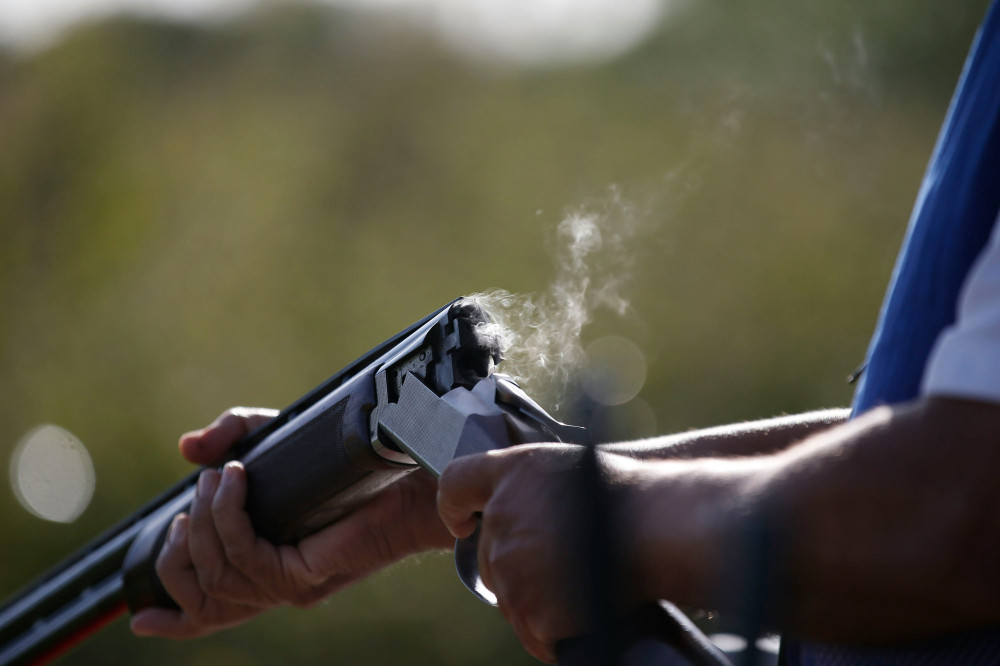
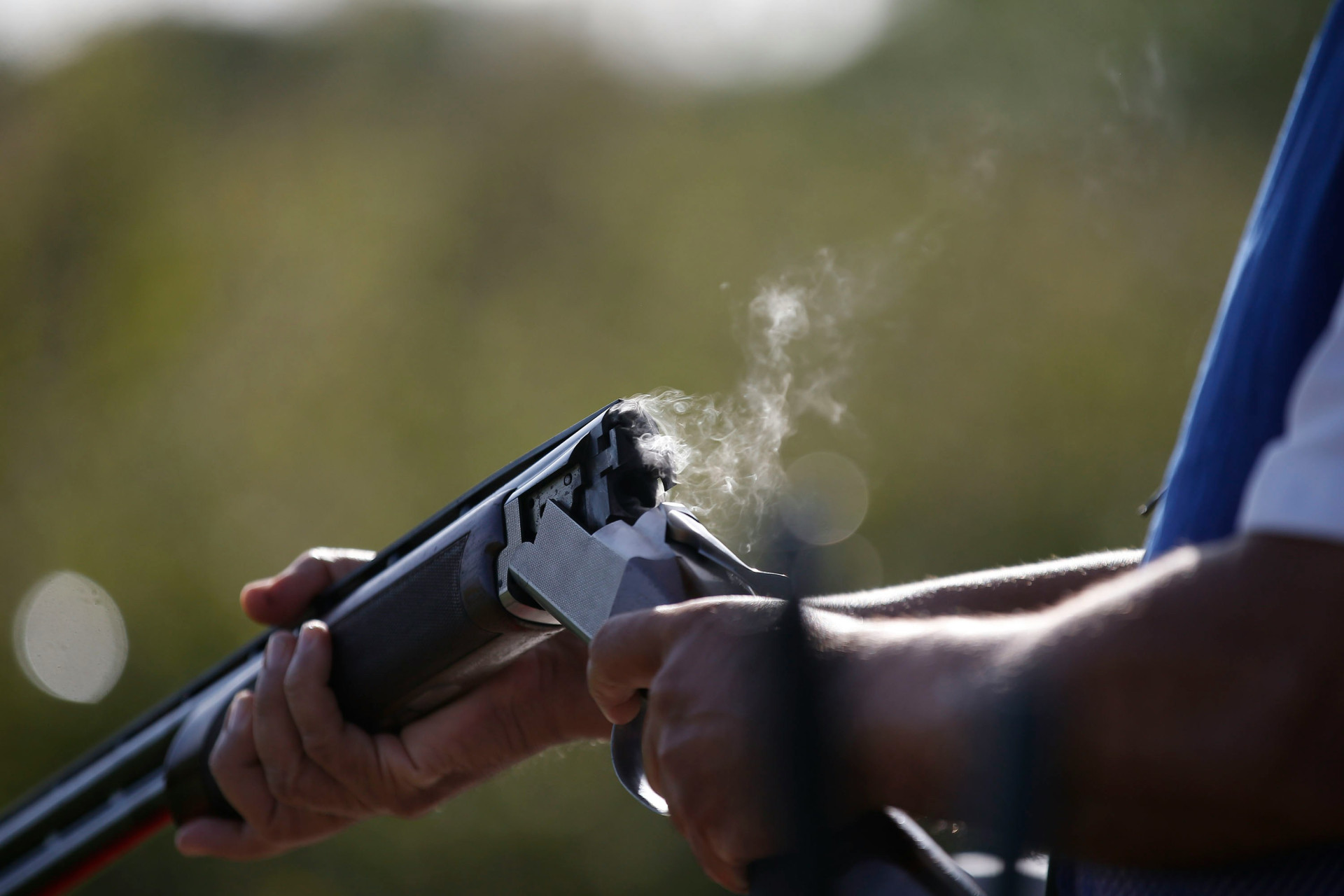
After each string of fire, unload your firearm and lock the action open so it’s clear to others that it’s safe. Many ranges require a chamber flag—a small plastic indicator showing that the chamber is empty.
If you experience a malfunction, such as a misfire, keep the firearm pointed downrange for several seconds before clearing it. This prevents injury in case of a delayed discharge.
Transporting Firearms and Ammunition
Transporting firearms responsibly is just as important as handling them safely. In the United States, federal law (under the Firearm Owners Protection Act) allows you to transport unloaded firearms between places where you may legally possess them, provided they are unloaded and locked in a case, with ammunition stored separately.
Check your state and local laws, as regulations vary. Some states require firearms to be transported in the trunk or in a locked container, while others have specific rules for handguns or long guns. Always keep your firearm out of reach of passengers and never leave it unattended in a vehicle.
If you’re traveling across state lines, research the laws of each state you’ll pass through. When in doubt, err on the side of caution—unload, lock, and separate.
Læs også:
Maintenance and Storage
A well-maintained firearm is a safe firearm. After each range session, clean your gun thoroughly and inspect it for wear or damage. Use only approved cleaning products and follow the manufacturer’s instructions.
When not in use, store firearms unloaded and locked in a secure gun safe or cabinet. Ammunition should be stored separately. If you have children or guests in your home, consider additional safety measures such as trigger locks or cable locks. The key or combination to your safe should never be easily accessible to others.
Building a Culture of Responsibility
Safety isn’t just about following rules—it’s about fostering a culture of respect and responsibility. Experienced shooters have a duty to set a good example for newcomers. A friendly reminder about muzzle direction or trigger discipline can prevent accidents and reinforce good habits.
Many shooting ranges and clubs offer safety courses and orientation sessions for new members. Even experienced shooters can benefit from a refresher course to stay sharp and up to date with best practices.
Safety as Part of the Enjoyment
When safety becomes second nature, you can focus on what makes shooting enjoyable: concentration, discipline, and precision. Responsible shooting not only protects you and others—it deepens your appreciation for the sport and the equipment you use.
“Safety first” isn’t just a slogan; it’s a lifelong commitment. By practicing safe habits every time you handle a firearm, you help ensure that shooting remains a rewarding and respected activity for everyone.
Læs også: