Technique Focus: Train Arms and Legs Separately in the Water

Technique Focus: Train Arms and Legs Separately in the Water
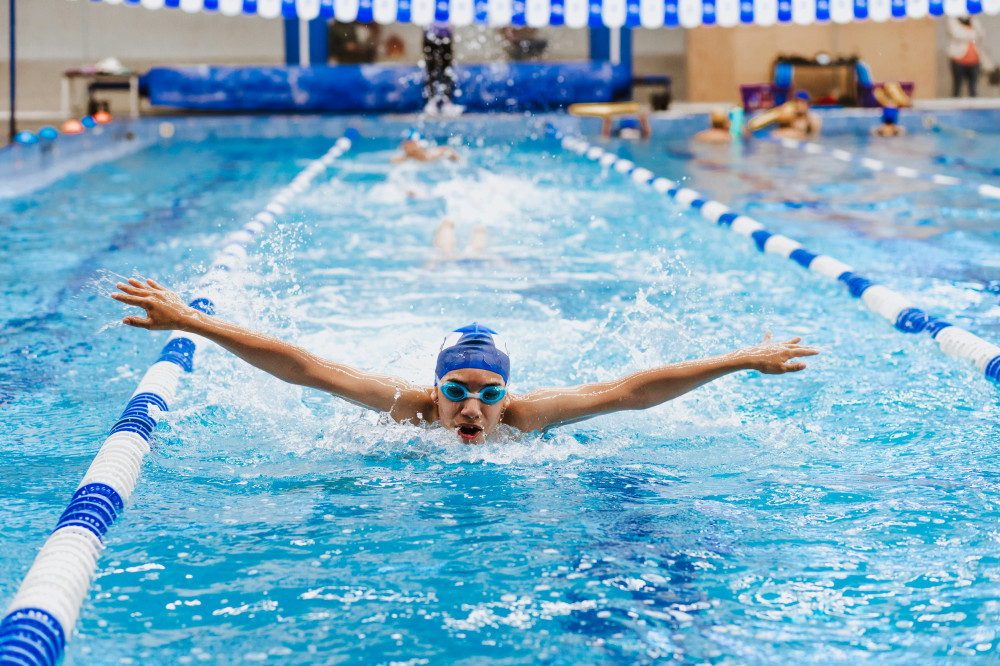
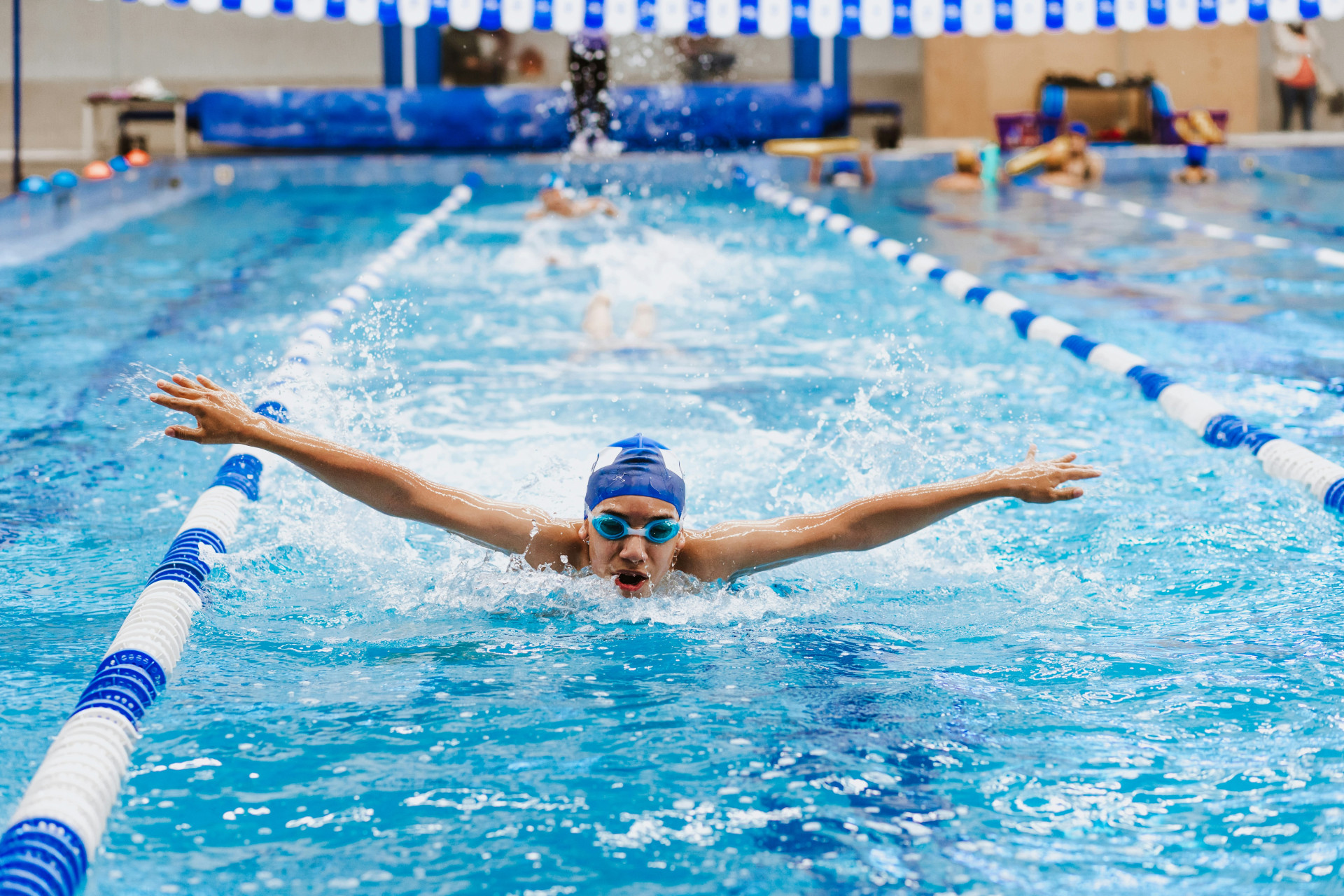
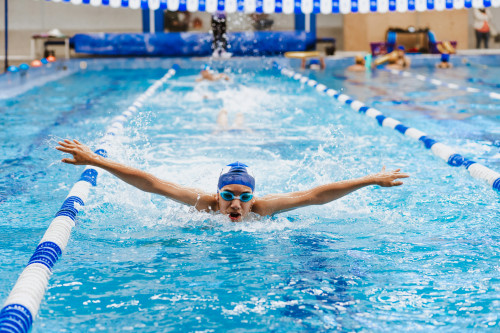
Swimming isn’t just about getting from one end of the pool to the other. It’s about mastering technique and understanding how each part of your body contributes to efficient movement. One of the most effective ways to improve your swimming form is to train your arms and legs separately. This approach builds strength, balance, and a better feel for the water. Here’s how you can refine your technique by isolating your movements during practice.
Why Train Arms and Legs Separately?
When you swim, your entire body works together in a coordinated rhythm. But if you’re trying to improve your technique, it can be difficult to adjust everything at once. By isolating your arms and legs, you can focus on one element at a time—helping you develop a more efficient and balanced stroke.
- Arm training builds upper-body strength and improves your ability to pull yourself forward through the water.
- Leg training enhances stability, body position, and propulsion, helping you maintain speed and rhythm.
Once you bring the two together, you’ll notice smoother, more natural coordination in your stroke.
Læs også:

Train Arm Technique with a Pull Buoy
A pull buoy—a small foam float placed between your thighs—is a classic tool for isolating your arms. It keeps your legs buoyant so you can concentrate on your arm stroke and breathing technique.
How to do it:
- Place the pull buoy snugly between your thighs.
- Keep your body straight, with your head aligned with your spine.
- Focus on pulling the water efficiently with your entire arm—from the catch in front of your body to the finish near your hip.
- Maintain a steady rhythm and avoid jerky movements.
You can vary the exercise by practicing different strokes—freestyle, breaststroke, or backstroke—and by swimming short intervals to keep your focus sharp.
Train Leg Technique with a Kickboard
A kickboard is ideal for isolating your legs. It supports your upper body so you can focus on developing a strong, consistent kick.
How to do it:
- Hold the board in front of you with your arms extended.
- Keep your body horizontal and your hips close to the surface.
- Kick with small, quick movements from the hips—not the knees.
- Maintain a steady rhythm and avoid splashing excessively, which creates drag.
You can also try kicking without a board, keeping your arms at your sides to challenge your balance and engage your core muscles.
Combine the Exercises for Better Coordination
After working on arms and legs separately, the next step is to bring everything together. Start with short sets where you focus on transferring the sensations from your isolated drills into your full stroke.
A helpful tip is to think about rhythm: your arms pull while your legs stabilize and support. The more you synchronize these movements, the more efficient and powerful your swimming will become.
Make Technique Work a Regular Part of Your Routine
Technical training takes patience, but consistent practice pays off quickly. Dedicate 10–15 minutes at the start of each swim session to focus on either arm or leg drills. It may seem simple, but repetition and awareness are what lead to real improvement.
Over time, you’ll find yourself gliding more easily through the water, using less energy, and developing a smoother, more confident stroke—whether you swim for fitness or competition.
Listen to Your Body—and Enjoy the Process
Technique work isn’t just about performance; it’s about connecting with the water and understanding your body’s movement. Take time to adjust, experiment, and find the rhythm that feels right for you. When you learn to use your arms and legs effectively—both separately and together—swimming becomes not only more efficient but also more enjoyable.
Læs også: