Paddleboarding with Care: Leave Nature as You Found It

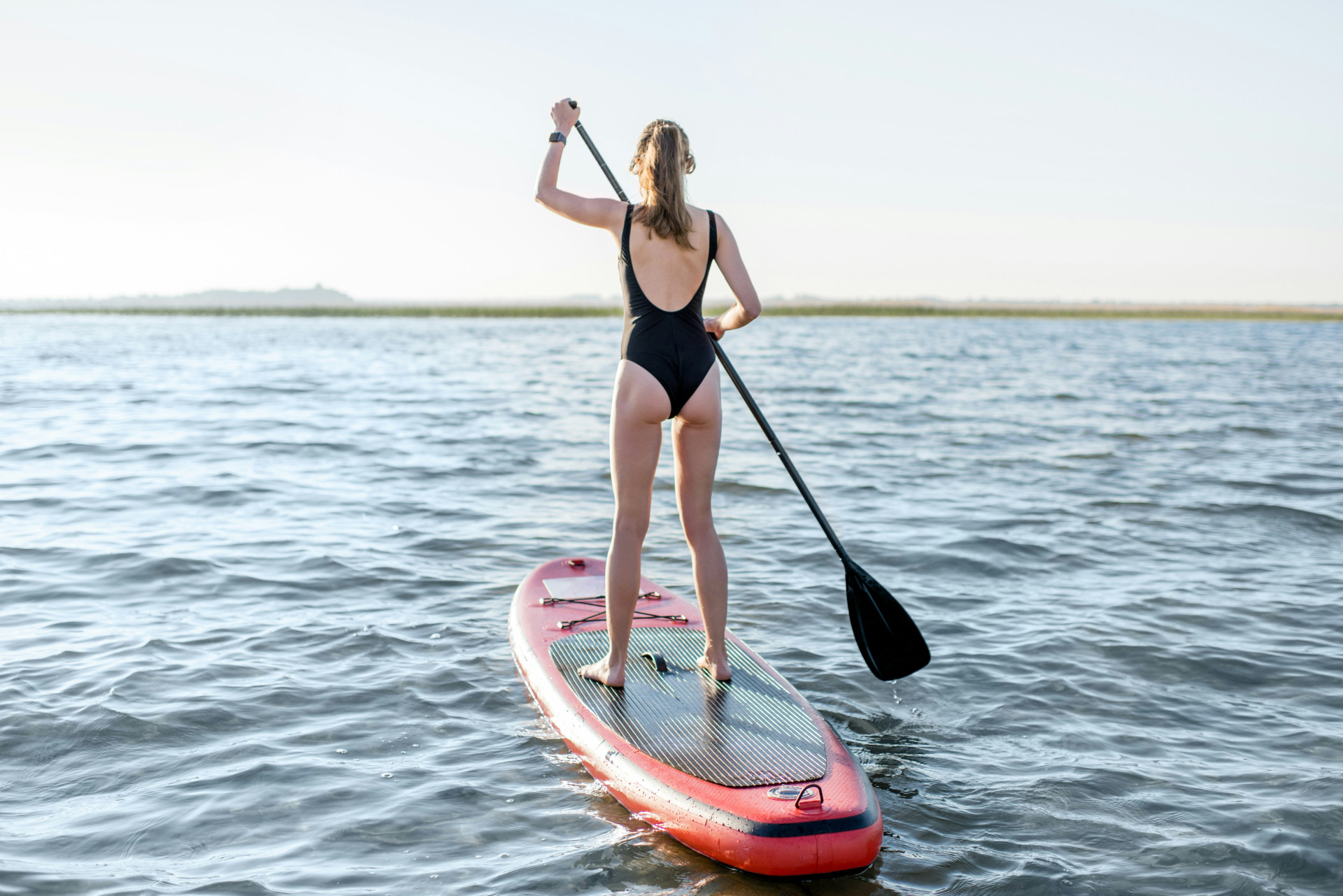
Paddleboarding with Care: Leave Nature as You Found It
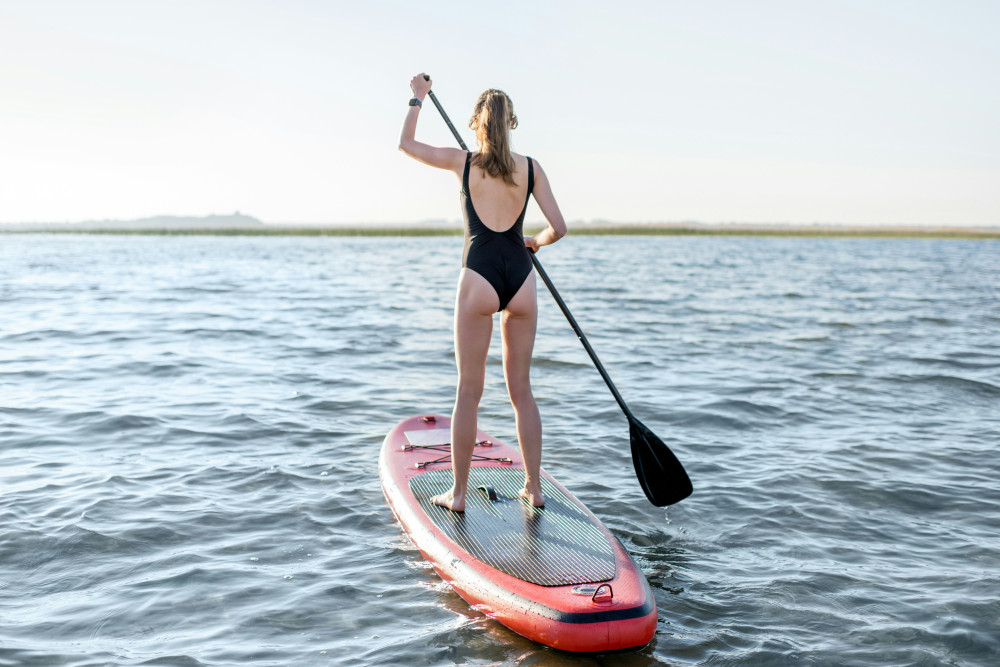
Paddleboarding has become one of the most popular ways to explore the outdoors—quiet, flexible, and close to the water. But with that growing popularity comes responsibility. Even though the sport feels harmless, small actions can add up to a big impact on the environment. This article is about how you can enjoy your time on the water while protecting the natural places you love—so they remain just as beautiful for the next person who visits.
Know Your Area—and Follow Local Rules
Before you set your board in the water, take a moment to learn about the local conditions and regulations. Many lakes, rivers, and coastal areas in the U.S. have specific rules for boating and paddle sports, especially in wildlife refuges or marine sanctuaries. Some areas may restrict access during nesting or breeding seasons to protect birds, turtles, or other sensitive species.
Check with local park services, the U.S. Fish and Wildlife Service, or state natural resource agencies before heading out. Respecting these rules shows care for the environment—and for the wildlife that calls it home.
Keep Your Distance from Wildlife
One of the joys of paddleboarding is how close you can get to nature. But because you move quietly, it’s easy to approach animals without realizing it. Keep a respectful distance from birds, seals, manatees, or any other wildlife you encounter. If animals change their behavior, move away calmly—they’re telling you you’re too close.
Spring and summer are especially sensitive times, as many species are nesting or raising young. Observing from afar ensures both you and the animals can enjoy the moment peacefully.
Leave No Trace
It might seem obvious, but litter is still a major problem in natural areas—and that includes waterways. Even small items like plastic wrappers, fishing line, or bottle caps can harm wildlife. Always pack out everything you bring, and if you see trash floating by, pick it up if it’s safe to do so.
Bring a small waterproof bag for waste so you can easily carry it back. It’s a simple habit that makes a big difference.
Læs også:
Choose Eco-Friendly Gear
Your gear choices can also help protect the environment. Many brands now offer boards and paddles made from recycled or sustainably sourced materials. Avoid single-use plastics by bringing a reusable water bottle and snacks in reusable containers.
If you use sunscreen, choose a reef-safe or mineral-based formula that doesn’t contain harmful chemicals like oxybenzone or octinoxate, which can damage aquatic ecosystems. Small choices, multiplied by many paddlers, have a powerful impact.
Enjoy the Quiet
Part of what makes paddleboarding special is the stillness—the sound of water lapping against your board, the wind in the trees, the call of distant birds. Try to keep noise to a minimum. Avoid playing loud music or shouting across the water, especially in calm or protected areas. It helps preserve the serenity for both wildlife and fellow paddlers.
Use your time on the board as a chance to disconnect from screens and reconnect with nature. Listen, breathe, and find your balance—it’s mindfulness in motion.
Make It a Shared Effort
If you’re paddling with friends or family, talk about how you can all help protect the environment. Set small goals, like picking up a few pieces of trash or staying clear of marshy areas. It builds teamwork and makes the experience more meaningful.
Many paddleboarding clubs and outdoor organizations in the U.S. host “clean-up paddles” or volunteer days where participants collect litter while exploring local waterways. Joining one is a great way to meet others who care about the same things you do.
A Mindful Adventure
Paddleboarding isn’t just about balance and technique—it’s about respect. When you’re out on the water, you’re a guest in nature’s home. By being mindful, taking responsibility, and leaving every place as you found it, you help ensure that these waters stay wild and welcoming for generations to come.
So next time you glide across the surface, remember: the best paddle is the one that brings you peace—and leaves nature untouched.
Læs også: