MMA – The Modern Martial Art: When Combat Techniques Meet and Create Dynamism


MMA – The Modern Martial Art: When Combat Techniques Meet and Create Dynamism
Mixed Martial Arts – or MMA – has become one of the fastest-growing sports in the world. It blends techniques from a wide range of martial arts disciplines, merging tradition, strategy, and physical power into one intense and modern form of combat. But MMA is more than just hard punches and spectacular knockouts – it’s a sport where technique, tactics, and respect play a defining role.
From Underground Fights to Mainstream Recognition
MMA’s roots trace back to the early 1990s in the United States, when organizations like the Ultimate Fighting Championship (UFC) began hosting matches between fighters from different martial arts backgrounds. The original idea was simple: to find out which fighting style was the most effective in a real confrontation. Over time, the sport evolved into a highly regulated and professional competition, where athletes train across multiple disciplines to master both stand-up striking and ground fighting.
What began as a raw experiment has grown into a global phenomenon with millions of fans, professional leagues, and a high level of athletic professionalism. Today, MMA stands as a modern martial art that demands completeness – technical skill, mental focus, and physical endurance.
Læs også:

A Fusion of Techniques
What makes MMA unique is its openness to multiple traditions. Instead of adhering to one style, it draws from the best of many worlds:
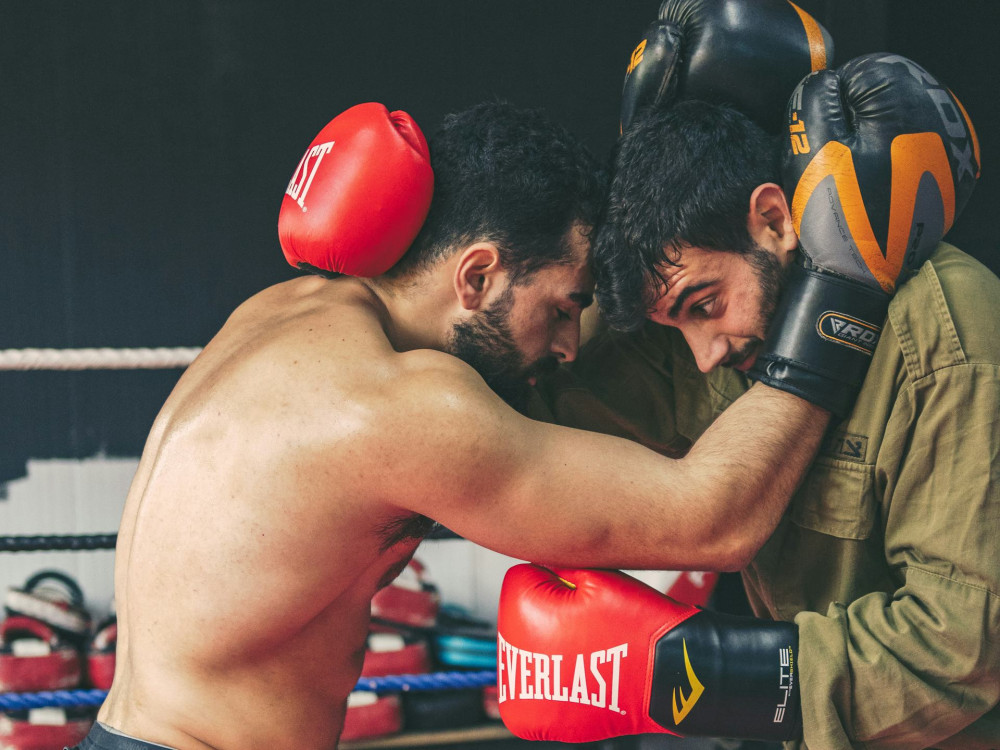
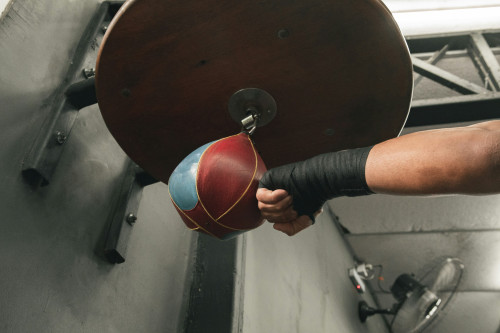
- Boxing and kickboxing provide precision in punches and kicks, as well as effective footwork and movement in stand-up exchanges.
- Wrestling and judo contribute throws, takedowns, and control in clinch situations.
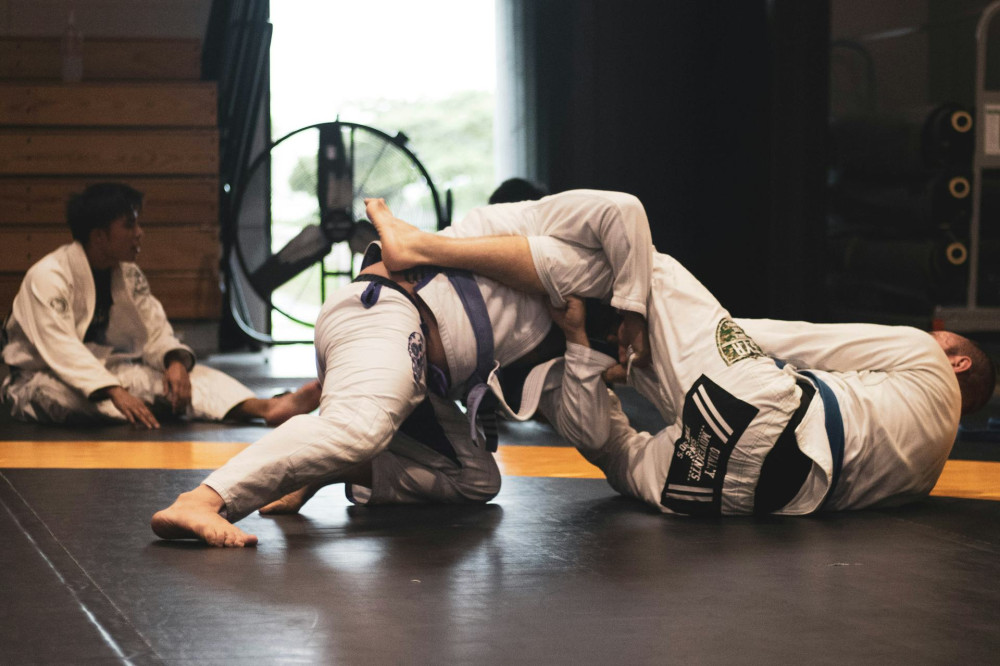
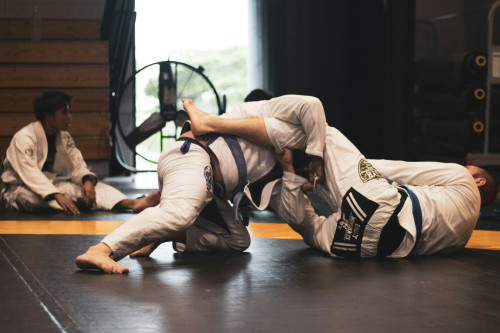
- Brazilian jiu-jitsu (BJJ) revolutionized ground fighting with its focus on locks, chokes, and positional control.
- Muay Thai adds elbows, knees, and a distinctive rhythm to close-range combat.
This combination makes MMA a dynamic and unpredictable sport, where a fight can shift in an instant – from striking exchanges to technical grappling battles on the mat.
The Training Behind the Cage
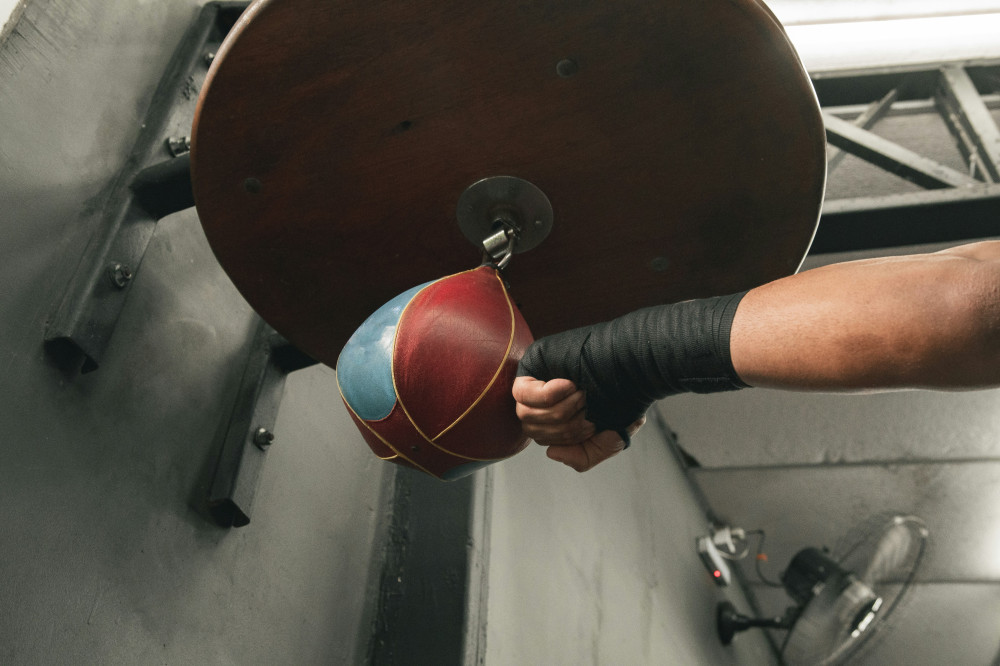
An MMA fighter must master many disciplines, making training both diverse and demanding. A typical week might include boxing drills, wrestling sessions, strength and conditioning, and mental preparation.
It’s not just about being strong – it’s about adaptability. A fighter must read their opponent, react quickly, and choose the right strategy in the moment. That’s why sparring, analysis, and tactical understanding are just as important as physical conditioning.
Across the United States, MMA gyms have become increasingly popular, offering training for everyone from beginners to aspiring professionals. These gyms emphasize safety, technique, and respect – values that lie at the heart of all martial arts.
The Mental Side of Combat
Although MMA can appear brutal, it is deeply mental. Fighters often speak about focus, calmness, and discipline as keys to success. Maintaining composure under pressure while executing precise movements requires immense mental strength.
For many practitioners, MMA isn’t just about fighting an opponent – it’s about challenging oneself. Training builds confidence, body awareness, and a sense of control – qualities that extend far beyond the cage.
A Community of Shared Passion
MMA has also fostered a unique community where people from different backgrounds come together to learn and grow. In gyms across the country, former boxers train alongside jiu-jitsu practitioners and wrestlers, creating a culture of mutual respect and curiosity.
This openness is one of the reasons MMA continues to evolve. New techniques, training methods, and strategies emerge constantly, keeping the sport in motion – just like its fighters.
MMA as a Modern Martial Art
Today, MMA is not only a competitive sport but also a modern martial art that reflects the dynamism of our time. It unites tradition and innovation, strength and technique, individuality and community.
For some, it’s a path to fitness and confidence. For others, it’s a professional career. But for most who step onto the mat, it’s about learning – about the body, the mind, and the respect that comes from meeting an opponent on fair terms.
Læs også: