Martial Arts as Community: When Respect and Shared Values Bring People Together

Martial Arts as Community: When Respect and Shared Values Bring People Together
For many people, martial arts are about technique, strength, and discipline—but behind the punches, kicks, and throws lies something much deeper. In dojos and gyms across the United States, people of all ages, genders, and backgrounds come together to train, support one another, and grow—physically, mentally, and emotionally. Martial arts may be an individual pursuit, but it thrives within a community built on respect, cooperation, and shared values.
A Community Built on Respect
Whether it’s karate, judo, taekwondo, or Brazilian jiu-jitsu, every class begins and ends with a bow. It’s a simple gesture, but it carries profound meaning: respect. Respect for the instructor, for training partners, and for the art itself.
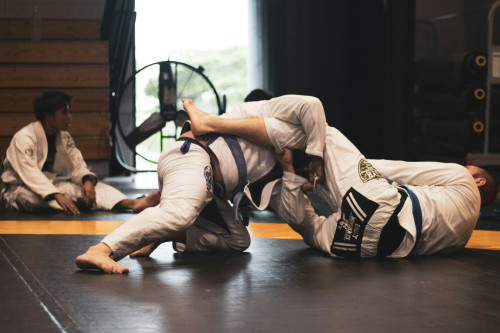
In martial arts, you quickly learn that progress isn’t possible without others. You need a partner to practice techniques, and you must trust that your partner will keep you safe—just as you do for them. This mutual trust creates a bond that extends beyond the mat.
Respect in martial arts isn’t just about etiquette or following rules; it’s about recognizing that everyone in the room is there to learn. Whether you’re a white belt or a seasoned black belt, you meet each other as equals in the shared pursuit of improvement.
Diversity as Strength
One of the most remarkable things about martial arts communities in the U.S. is their diversity. In many schools, children, teens, and adults train side by side. Some come for fitness, others to compete, and some to find focus and calm in a busy life.
Martial arts create a space where differences become strengths. The young athlete learns patience from the older practitioner, while the experienced martial artist is inspired by the beginner’s enthusiasm. It’s a community where age, gender, and background fade into the background, replaced by a shared desire to grow.
Shared Values in Action
Most martial arts are built on a set of values that transcend style and culture: respect, humility, discipline, and self-control. These aren’t just words on a wall—they’re lived out in every class.
When you lose a match, you learn to accept it with grace and use it as motivation. When you win, you do so with humility. And through training, you discover that progress takes patience and persistence.
For many practitioners, these values extend far beyond the dojo. Martial arts become a way of navigating life—with respect for others, responsibility for oneself, and a mindset of continuous growth.
Læs også:

Unity Through Challenge
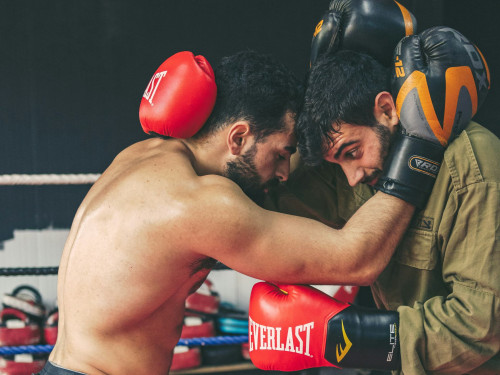
Training can be tough. It pushes you physically and mentally, and you face challenges—from opponents and from within yourself. But it’s in those moments of struggle that true camaraderie forms.
When you’re sweating through drills or pushing through exhaustion together, a sense of shared strength emerges. You cheer each other on, help each other up, and celebrate each other’s progress. It’s not just about victories in competition, but about the small steps forward that you take together.
Many martial artists describe their school as a second home—a place where they are seen, challenged, and supported. It’s community in its purest form.
A Lifelong Journey
For some, martial arts become a lifelong journey—not necessarily toward medals, but toward personal growth. It’s about finding balance, strength, and peace—and about being part of something larger than oneself.
In a time when many people are searching for connection and meaning, martial arts offer a space to grow as a person. They teach that true strength isn’t just physical—it’s also moral and emotional. And they remind us that respect and shared values can bring people together across every line that might otherwise divide us.
Læs også: