After the Show: How to Evaluate Your Performance and Strengthen Your Development as a Rider

After the Show: How to Evaluate Your Performance and Strengthen Your Development as a Rider
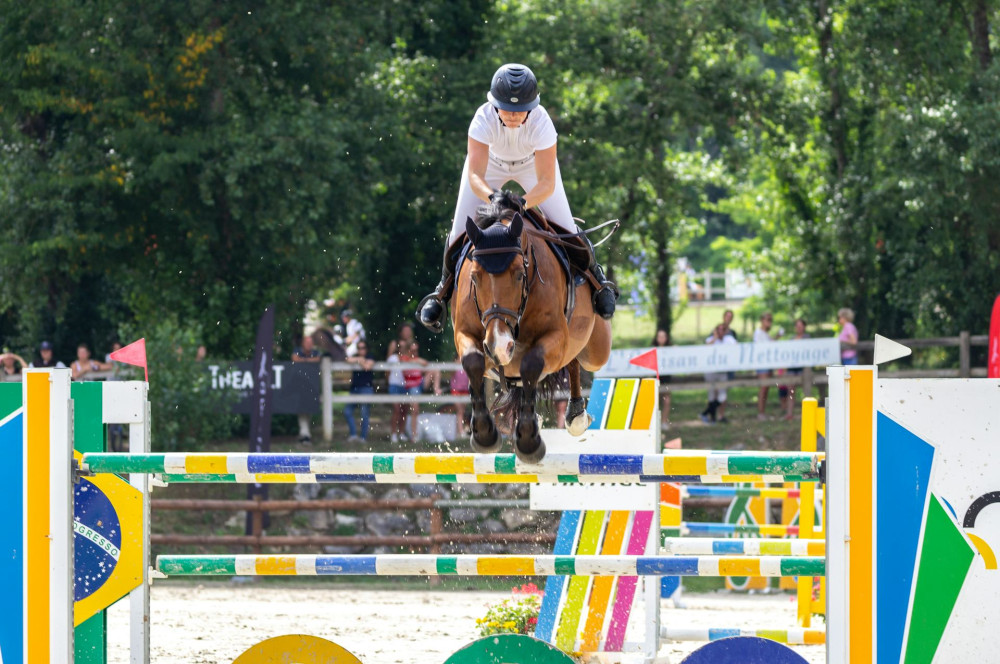
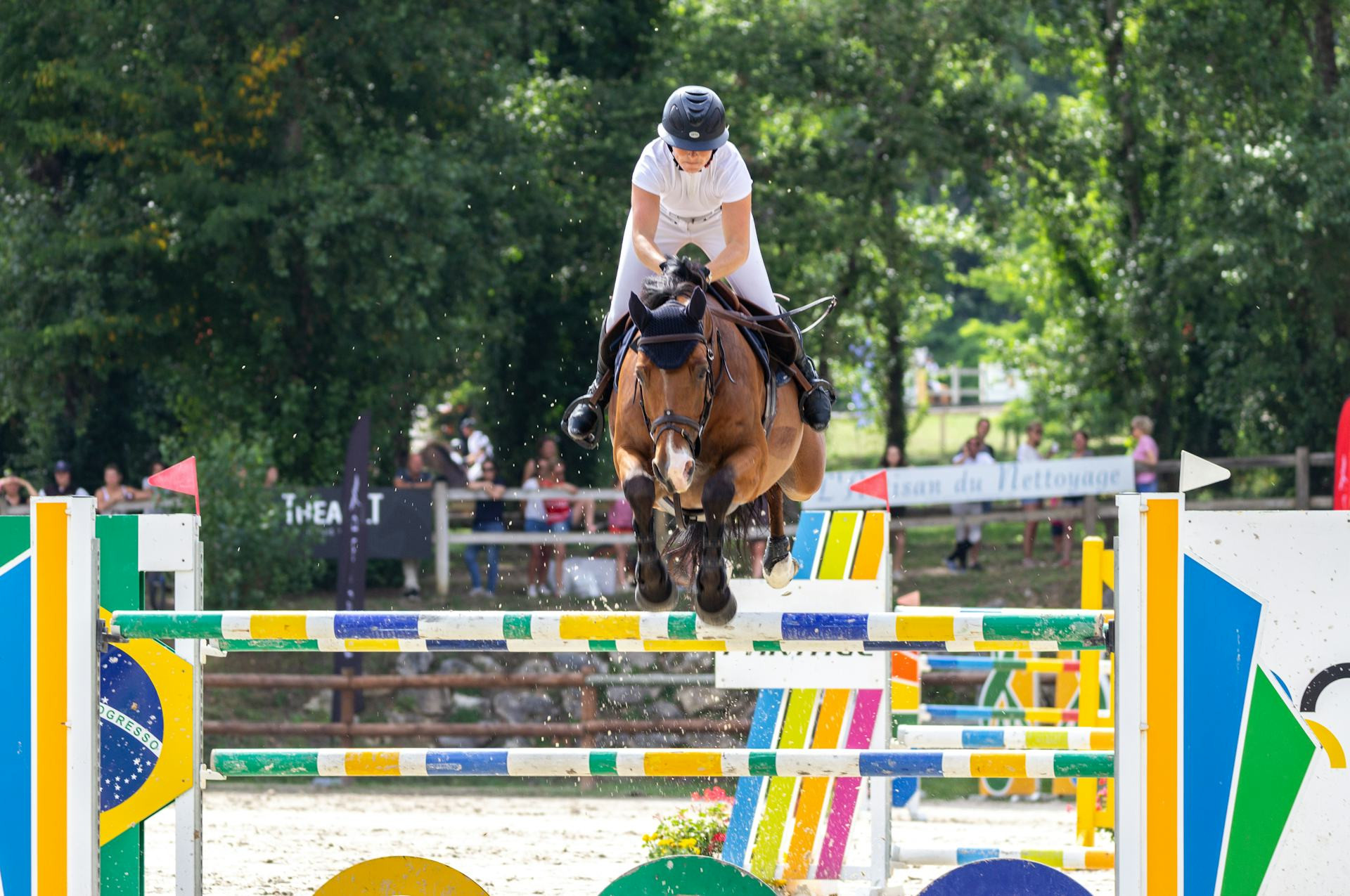
A horse show is the culmination of countless hours of training, preparation, and anticipation. Whether you compete in dressage, show jumping, or eventing, each show is filled with excitement, challenge, and learning opportunities. Once your last round is done, your horse is cooled out, and the trailer is packed, an important phase begins: reflection. This is when you can turn your experience into growth—for both you and your horse.
Here’s a guide to help you evaluate your performance after a show and use what you’ve learned to become a stronger, more mindful rider.
Give Yourself Time and Space
After a show, emotions often run high. Maybe you exceeded your expectations, or maybe things didn’t go as planned. Either way, it’s important to give yourself a little distance before diving into analysis.
Take a day to simply enjoy the fact that you and your horse completed the show. Go for a quiet hack, spend some relaxed time grooming, or just let your horse graze while you unwind. Once you’ve had time to settle, you’ll be able to look back with a clearer, more objective perspective.
Start with What Went Well
It’s easy to focus on mistakes, but a productive evaluation begins with the positives. Ask yourself:
- What parts of my warm-up worked best?
- How did my horse handle the show environment?
- Which movements, fences, or phases felt the strongest?
- How did I manage my nerves and focus?
Recognizing what went well helps build confidence and motivation. It also gives you a realistic picture of your progress and a solid foundation for improvement.
Læs også:

Analyze with Curiosity, Not Criticism
When you look at what could have gone better, approach it with curiosity rather than self-criticism. The goal isn’t to assign blame—it’s to understand.
Consider questions like:
- Was my preparation appropriate for the level I competed at?
- How effective was my communication with my horse during the ride?
- Were there any surprises in the course or test that I didn’t anticipate?
- How did I respond when something didn’t go as planned?
If you have video footage, review it with your trainer or a trusted friend. Watching yourself ride can reveal details you might have missed in the moment—your position, timing, or how your horse responded to subtle cues.
Talk with Your Trainer—and Listen to the Judges
Your trainer can help you turn your reflections into actionable goals. Go over what worked and what needs adjustment, and discuss how to address those areas in your next training sessions.
If you ride dressage, take time to read the judges’ comments carefully. They’re not just scores—they’re feedback from experienced eyes. Look for patterns in their notes. Are they mentioning rhythm, connection, or suppleness? Those insights can guide your focus for the weeks ahead.
Set New Goals—Big and Small
Once you’ve evaluated your performance, it’s time to look forward. Set both short-term and long-term goals, such as:
- Improving a specific movement or jump technique.
- Developing better balance and body awareness in the saddle.
- Building your horse’s strength, fitness, or relaxation.
- Entering your next show with a focus on consistency rather than results.
Write your goals down and share them with your trainer. Having a clear plan helps you track progress and stay motivated.
Consider Your Horse’s Experience
A show is a big day for your horse, too. It’s full of new sights, sounds, and sensations. Part of your evaluation should include how your horse handled the experience.
Did your horse seem relaxed, tense, or tired afterward? How did they eat, drink, and travel? Understanding your horse’s physical and emotional response helps you support them better next time and build their confidence in the show environment.
Celebrate the Effort, Not Just the Outcome
No matter how the show went, both you and your horse deserve recognition for your effort. Competing takes courage, discipline, and teamwork. Celebrate the small victories—a calm warm-up, a smoother round, or simply managing your nerves better than before.
When you learn to value the process as much as the results, riding becomes even more rewarding and fulfilling.
Turning Experience into Growth
A show isn’t just a competition—it’s a learning opportunity. By reflecting with honesty and openness, you can transform each experience into lasting progress.
Every time you enter the ring, you gain insight into yourself, your horse, and your partnership. And that knowledge—built show by show, stride by stride—is what truly makes you a better rider.
Læs også: