A Week in Balance: Planning Training for Your Horse’s Physical and Mental Well-Being

A Week in Balance: Planning Training for Your Horse’s Physical and Mental Well-Being
A well-balanced training week isn’t just about building muscle—it’s about creating calm, variety, and motivation. A horse that feels mentally content performs better physically, and vice versa. Whether you ride dressage, jump, trail ride, or simply want a happy, healthy partner, a thoughtful weekly plan can make all the difference. Here’s how to design a week that supports both your horse’s body and mind.
Why Planning Is the Key to Balance
Horses thrive on routine, but they also need variety. Too much repetition can lead to physical strain and mental fatigue, while too much unpredictability can cause stress and tension. A good plan strikes the balance between structure and change—your horse knows what to expect but still encounters new challenges.
Planning also helps you track progress, adjust intensity, and spot early signs of tiredness or discomfort. It ensures that rest and recovery are built into your schedule, not left to chance.
The Building Blocks of a Balanced Week
A well-rounded training plan should include five key elements that together meet your horse’s physical and mental needs:
- Conditioning work – such as trail rides, hill work, or long trots on a loose rein. This builds stamina and gives a break from the arena.
- Strength training – collected work, pole exercises, or hill transitions that develop muscle and balance.
- Suppleness and relaxation – lateral movements, transitions, and bending exercises that keep the body elastic and responsive.
- Technical training – focused sessions on your discipline’s specific skills, like jumping courses or dressage patterns.
- Rest and mental recovery – turnout time, hand-walking, or light groundwork without pressure.
By combining these elements, you create a week that builds strength, flexibility, and mental balance.
Example of a Balanced Weekly Plan
Every horse is different, but here’s an example of a structure that works well for many riding horses:
- Monday: Easy trail ride or hand-walk to loosen up after the weekend.
- Tuesday: Flatwork session focusing on transitions and suppleness.
- Wednesday: Conditioning ride—trot and canter in varied terrain.
- Thursday: Rest day or light groundwork to stretch and relax.
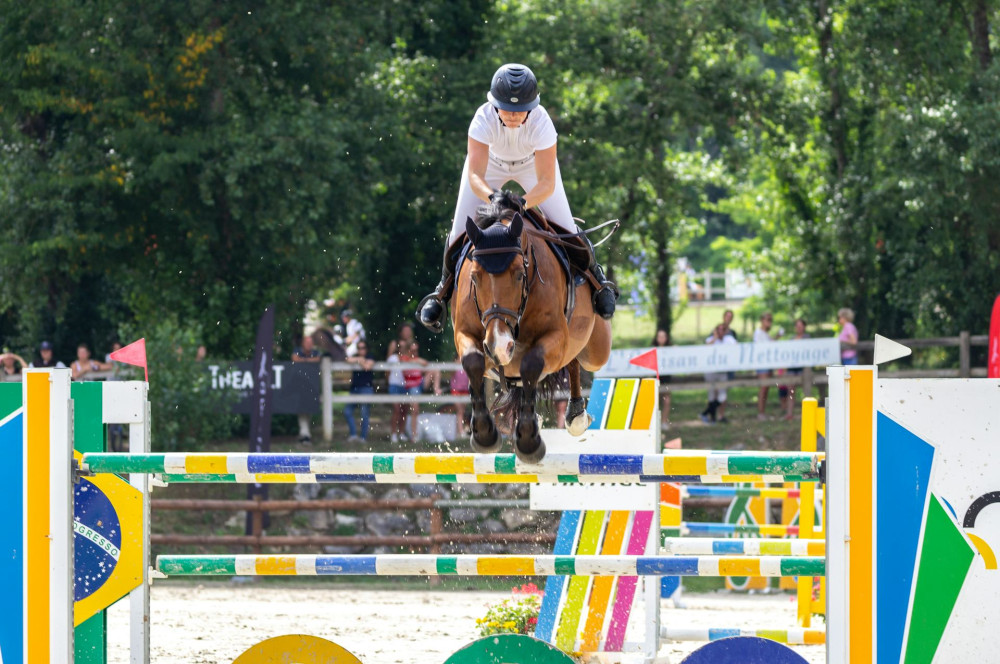
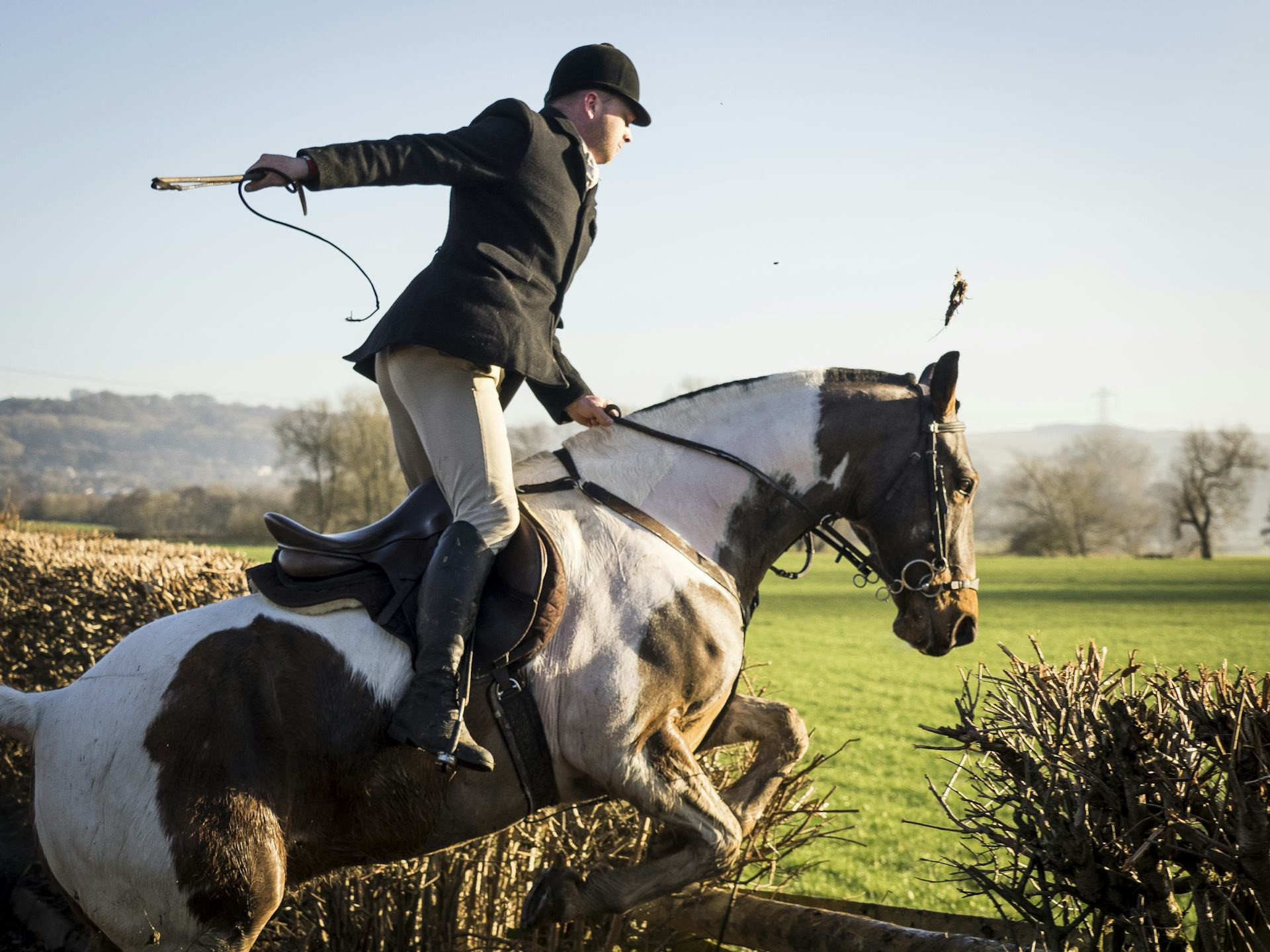
- Friday: Jumping or pole work to build strength and coordination.
- Saturday: Light dressage or groundwork focused on communication and obedience.
- Sunday: Full day off with turnout—time to just be a horse.
This rhythm allows for progress and recovery, helping your horse stay fresh and motivated.
Supporting Mental Well-Being
A mentally balanced horse learns faster, trusts more deeply, and enjoys the work. Mental well-being comes from security, variety, and clear communication. Not every session should be about performance—some days should simply be about connection and trust.
Mix up your activities: ride outside the arena, do groundwork, or take a quiet walk. Use your voice and body language thoughtfully, and always end on a positive note so your horse feels successful. This builds confidence and strengthens your partnership.
Læs også:


Listen and Adjust
Even the best plan needs flexibility. A horse that feels stiff, tired, or distracted may need a lighter day. An energetic horse might benefit from more challenging work. Pay attention to both physical and behavioral signals.
Changes in attitude—like resistance, tension, or lack of focus—can indicate discomfort or mental overload. Adjusting your plan based on what your horse tells you is key to long-term well-being.
Balance for Both Horse and Rider
A balanced week isn’t just about the horse. Your own mindset, patience, and consistency play a huge role. When you show up calm and organized, your horse feels it too.
By planning your week with care, allowing time for rest, and keeping variety in your training, you’ll help your horse grow stronger while maintaining joy in the work. That’s the foundation of a lasting, harmonious partnership.
Læs også: