Use Mirroring and Body Awareness to Improve Your Workout Technique

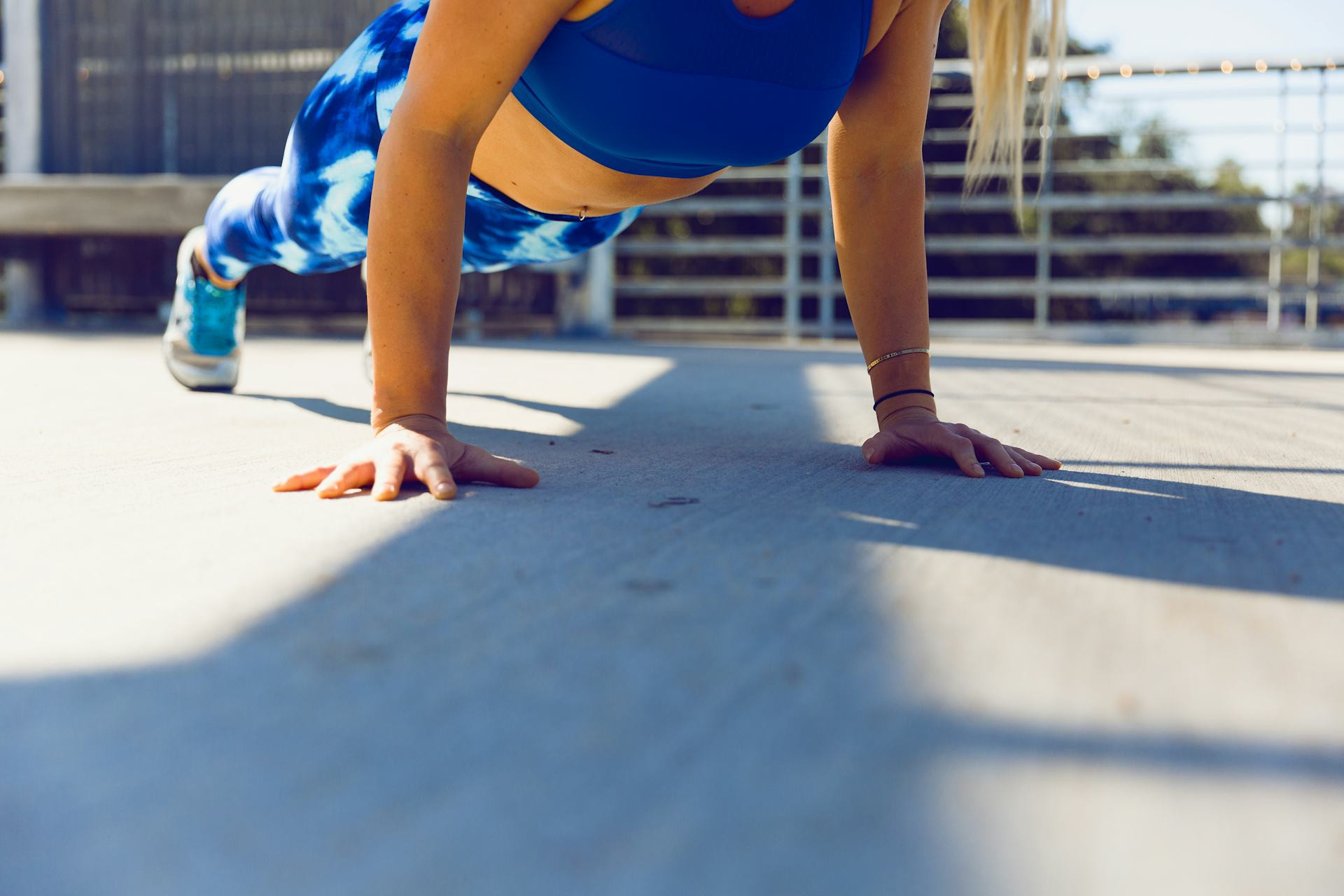
Use Mirroring and Body Awareness to Improve Your Workout Technique
When it comes to fitness, success isn’t just about lifting heavier weights or running faster miles. The quality of your movement determines how effectively you train—and how well you avoid injury. Two simple yet powerful tools for improving your technique are mirroring and body awareness. By combining visual feedback with mindful attention to how your body feels, you can move with greater precision, stability, and confidence.
The Mirror as Your Training Partner
Most gyms in the U.S. have mirrors—and not just for checking your outfit. Mirrors provide real-time feedback on your form, helping you spot small misalignments you might not feel, such as uneven shoulders, shifting hips, or a rounded back during a lift.
When you use the mirror, do it with intention:
- Check for symmetry. Are both sides of your body moving evenly?
- Focus on form, not appearance. The mirror is a tool for technique, not self-critique.
- Look with purpose. Glance, adjust, and then return your focus to the movement itself.
Over time, you’ll start connecting what you see with what you feel. This connection helps you rely less on the mirror and more on your internal sense of alignment.
Body Awareness – Your Inner Coach
Body awareness, also known as proprioception, is your ability to sense where your body is in space and how it’s moving. It’s what allows you to walk without watching your feet or catch a ball without overthinking it.
You can strengthen this sense during your workouts by:
- Paying attention to contact points. Feel how your feet press into the floor or how your hands grip the bar.
- Noticing tension and balance. Are the right muscles engaged? Does the movement feel stable?
- Slowing down. Moving more deliberately gives you time to notice how your body responds.
The better you become at sensing your body, the easier it is to recognize when something feels off—and to correct it before it leads to injury.
Læs også:
Combine Mirroring and Body Awareness
You’ll get the best results when you use mirroring and body awareness together. Start by observing your movement in the mirror, then try repeating the exercise without looking. Can you feel whether your form stays consistent?
For example, when performing squats, use the mirror to ensure your knees track over your toes. Then shift your focus to how your hips and thighs feel as you move. Over time, you’ll learn to trust your body’s feedback more than your reflection—and that’s when your technique truly improves.
Use Video for Extra Feedback
If you train at home or in a gym without mirrors, your smartphone can be a great substitute. Recording your exercises gives you an objective view of your form and helps you spot patterns you might not notice in the moment. Compare videos over time to track your progress.
You can also ask a trainer or workout partner for feedback. A second set of eyes often catches details you might miss.
Mental Focus and Calm in Movement
Mirroring and body awareness aren’t just physical tools—they also enhance your mental focus. When you pay attention to how your body moves, your workouts become more mindful and centered. You stay present, which can improve performance and make training more enjoyable.
Try ending your session with a few minutes of slow breathing, noticing how your body feels after the effort. This helps you integrate the experience and strengthen the connection between body and mind.
A Smarter Path to Better Technique
Improving your workout technique isn’t about doing more reps or lifting heavier weights—it’s about moving with awareness. By using the mirror as a learning tool and developing your body awareness, you can achieve greater precision, reduce your risk of injury, and gain a deeper understanding of your own movement.
It’s an investment in quality over quantity—and a way to make every workout more effective, mindful, and rewarding.
Læs også: