Strengthen Your Core – Protect Your Body from Sports Injuries

Strengthen Your Core – Protect Your Body from Sports Injuries
Whether you run, play basketball, lift weights, or practice yoga, your core muscles are at the center of every movement. A strong core isn’t just about visible abs—it’s the foundation for stability, balance, and power transfer throughout your body. By strengthening your core, you can boost performance and significantly reduce your risk of sports injuries.
What Exactly Is the Core?
Your core is more than just your abdominal muscles. It’s a complex network of deep and surface muscles that work together to stabilize your spine, pelvis, and torso. The main muscle groups include:
- Deep abdominal muscles (transversus abdominis), which act like a natural corset around your midsection.
- Back muscles (multifidus and erector spinae), which support the spine and help maintain posture.
- Pelvic floor and diaphragm, which regulate internal pressure and support movement.
- Obliques and hip flexors, which assist with rotation and movement of the upper body.
When these muscles work in harmony, your body can better handle sudden movements, impacts, and twists—key factors in preventing sports injuries.
Why a Strong Core Prevents Injuries
A weak or unbalanced core forces other parts of your body to compensate, often leading to overuse injuries in the knees, hips, shoulders, or lower back. A strong core:
- Stabilizes your body during movement, reducing unwanted twisting or strain.
- Improves body control, lowering the risk of falls or awkward motions.
- Distributes load evenly, so no single muscle or joint is overworked.
- Enhances efficiency, allowing you to move with more power and less fatigue.
For example, runners with weak core muscles often experience knee or hip pain, while weightlifters may develop back issues if their core doesn’t provide proper support during heavy lifts.
How to Train Your Core Effectively
Core training isn’t just about endless crunches. The goal is to activate deep stabilizing muscles and build control. Here are some effective exercises:
- Plank – the classic full-core exercise. Start with 20–30 seconds and increase gradually.
- Dead bug – lie on your back and move opposite arms and legs in a controlled motion.
- Bird dog – on all fours, extend opposite arm and leg while keeping your torso stable.
- Side plank – strengthens obliques and hip stabilizers.
- Pallof press – a standing resistance band exercise that trains anti-rotation and stability.
Focus on quality over quantity. Keep your body aligned and avoid sagging in the lower back. Aim for two to three core sessions per week, integrated with your regular workouts.
Integrate Core Training into Your Sport
Your core is active in every movement, even when you’re not thinking about it. You can easily incorporate core activation into your existing training:
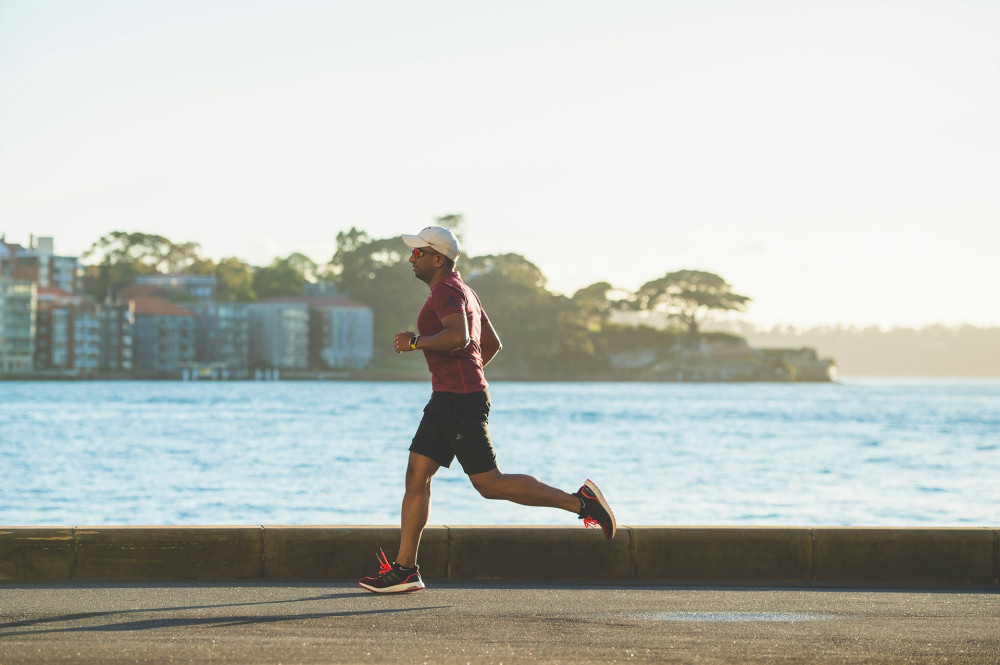
- Runners can add short core routines after runs to improve hip stability.
- Cyclists should maintain an engaged core while riding to reduce back strain.
- Team sport athletes can use rotational exercises to enhance balance and agility.
- Weightlifters should consciously brace their core during squats and deadlifts.
Small adjustments in technique and posture awareness can make a big difference in both performance and injury prevention.
Læs også:



Don’t Forget Recovery and Balance
Even a strong core needs rest. Overtraining can lead to tightness and imbalance, increasing the risk of injury. Support your training with:
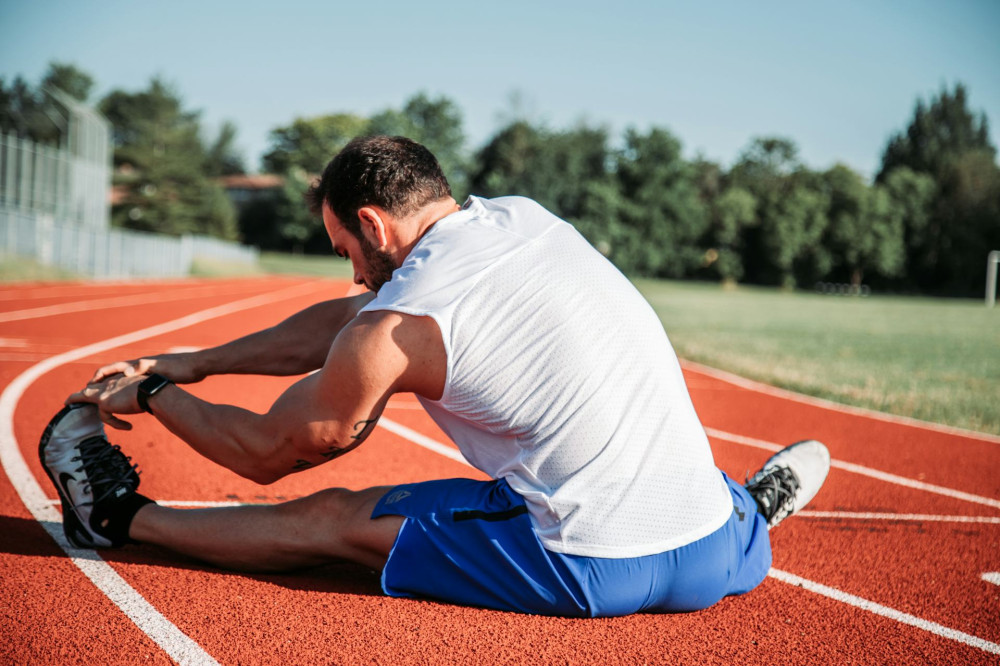
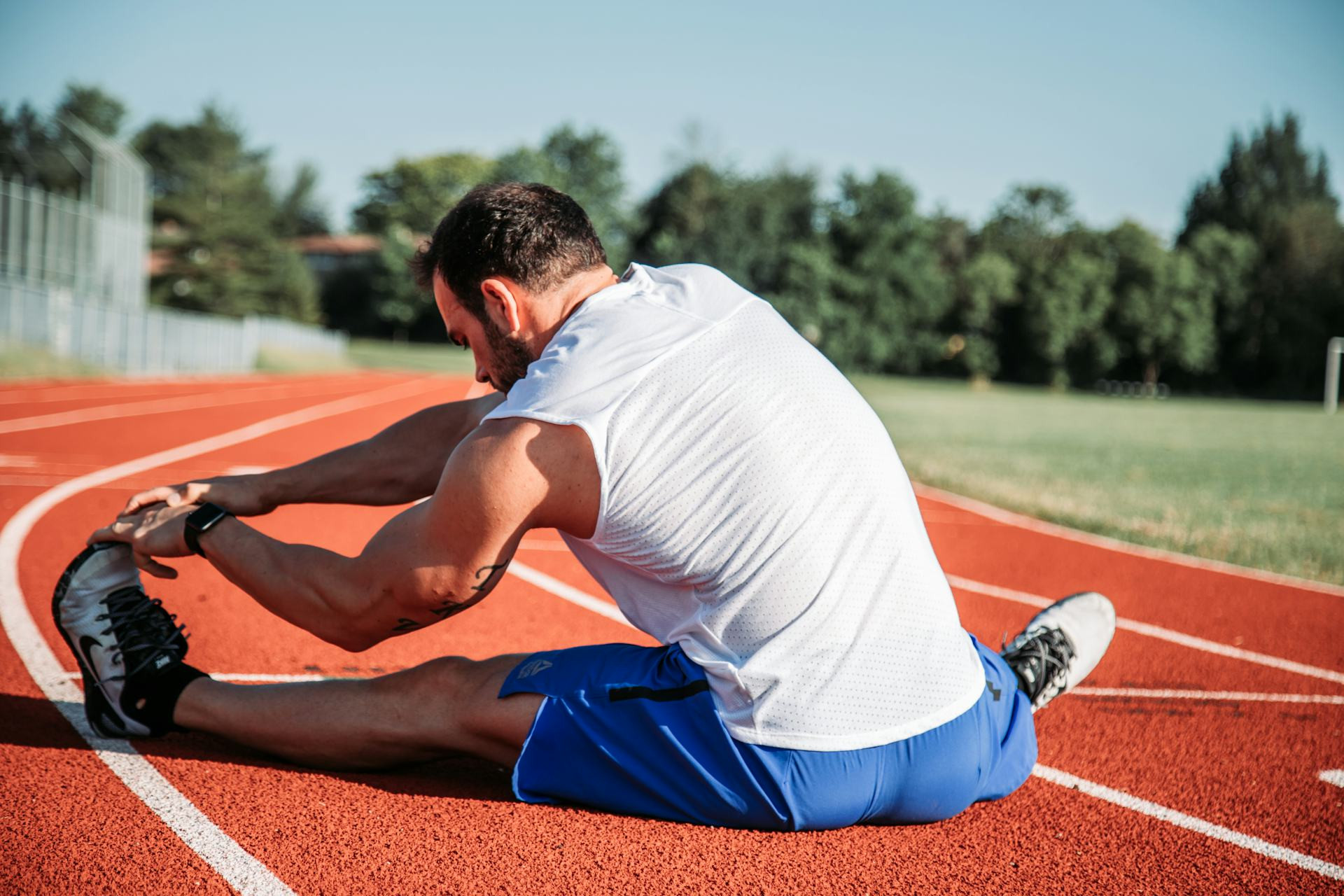
- Stretching and mobility work, especially for hips and lower back.
- Active recovery, such as light cycling, swimming, or yoga.
- Proper sleep and nutrition, which are essential for muscle repair and growth.
A healthy core is about more than strength—it’s about balance, control, and overall body harmony.
An Investment in Your Future Performance
Building a strong core is an investment in your body’s longevity. It doesn’t require hours in the gym, but the benefits extend to every movement you make. A stable, powerful core gives you better control, fewer injuries, and more confidence—on the field, in the gym, and in everyday life.
Læs også: