Small Steps Toward Better Habits: How to Change Your Diet in a Realistic and Sustainable Way

Small Steps Toward Better Habits: How to Change Your Diet in a Realistic and Sustainable Way
Changing your eating habits can feel overwhelming. Many people start with strict diets, cutting out entire food groups or setting ambitious goals, only to slip back into old routines after a few weeks. The truth is, lasting change rarely happens overnight. It’s built gradually, through small, realistic steps. Here’s how you can make meaningful changes to your diet that actually stick — and support both your health and the planet.
Start by Understanding Your Habits
Before you change anything, take a closer look at how you eat now. This isn’t about judging yourself — it’s about understanding your patterns. When do you tend to eat the most? What triggers your snacking? Is it hunger, stress, boredom, or habit?
Try keeping a simple food journal for a week. Write down what you eat and how you feel before and after meals. You might notice that you skip breakfast and end up overeating later, or that you reach for takeout when you’re too tired to cook. These insights can help you identify where small adjustments will make the biggest difference.
Set Realistic Goals
One of the biggest reasons diet changes fail is unrealistic expectations. If you decide that starting tomorrow you’ll never eat dessert again, you’re setting yourself up for frustration. Instead, focus on small, specific goals that you can build on over time.
- Tackle one habit at a time. For example: “I’ll add a serving of vegetables to lunch every day,” or “I’ll replace soda with water three times a week.”
- Make it measurable. Track your progress so you can see your success.
- Allow for flexibility. A healthy diet isn’t about perfection — it’s about balance over time.
When you experience success with small changes, you’ll gain confidence and motivation to take the next step.
Planning Makes It Easier
Most unhealthy choices happen when we’re hungry and unprepared. That’s why planning is one of the most powerful tools for building better habits.
Try planning your meals for the week and keeping healthy staples on hand — things like whole grains, frozen vegetables, beans, eggs, and fruit. When your kitchen is stocked with nutritious options, it’s easier to make good choices even on busy days.
Meal prep can also help. Cook extra rice or quinoa, chop vegetables in advance, or make a big batch of soup to freeze. The less you have to decide in the moment, the easier it becomes to stick with your goals.
Eat Mindfully — Not on Autopilot
Many of us eat quickly, distracted by screens or multitasking. Slowing down and paying attention to your food can make a big difference in how satisfied you feel.
Try putting your fork down between bites, chewing thoroughly, and noticing when you start to feel full. Mindful eating helps you enjoy your food more and prevents overeating. It also encourages a healthier, more relaxed relationship with food — one that’s based on awareness rather than restriction.
Make It Sustainable — for You and the Planet
A realistic diet change isn’t just about personal health; it’s also about sustainability. Shifting toward more plant-based foods can benefit both your body and the environment.
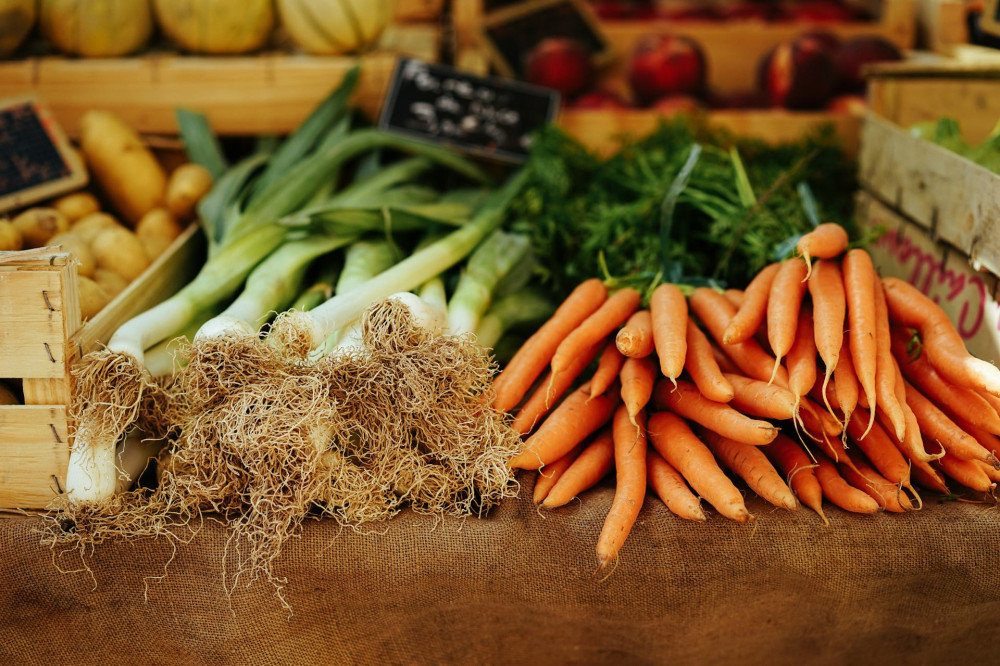
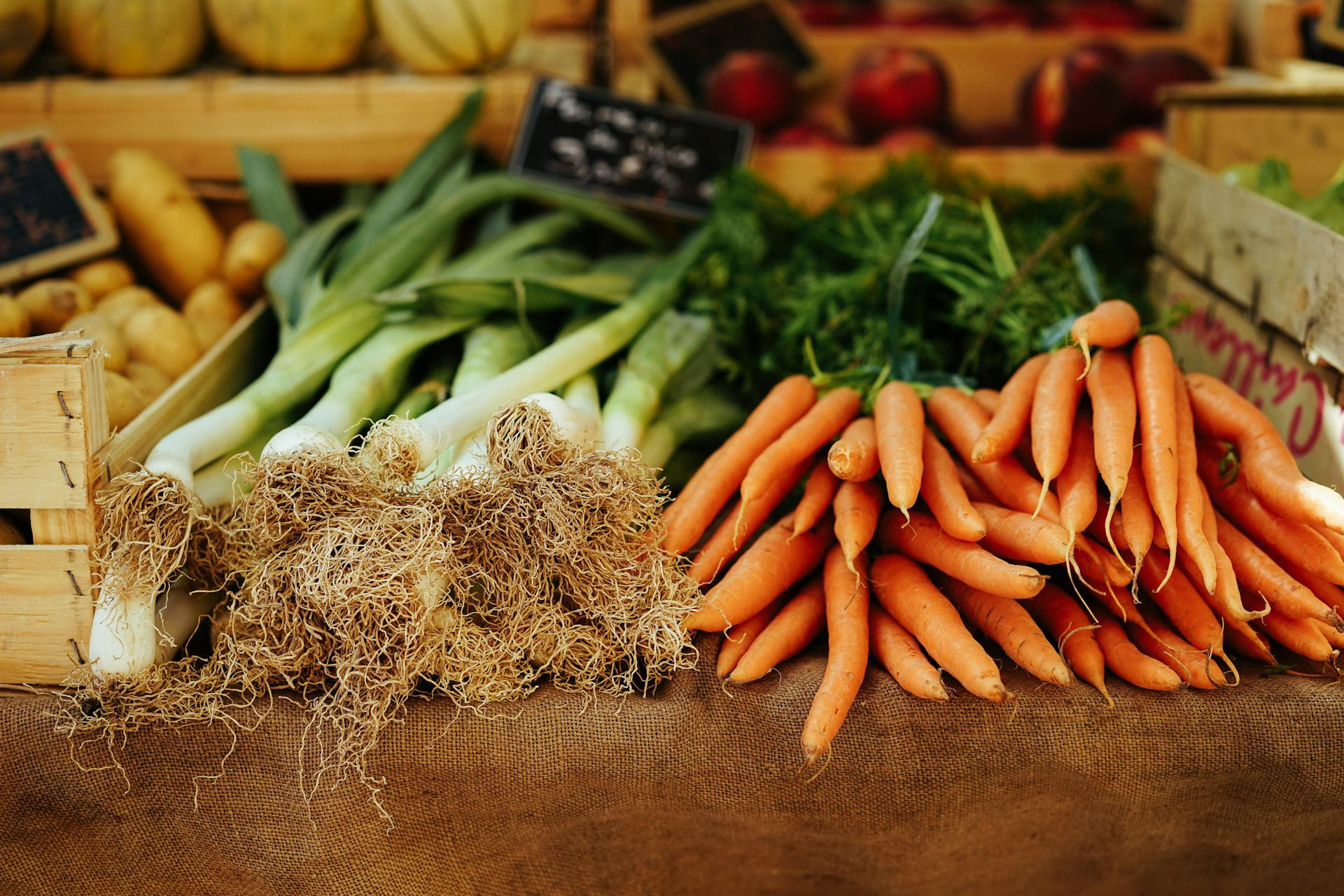
- Eat more vegetables, beans, and whole grains — they’re filling, affordable, and have a lower environmental impact.
- Gradually reduce meat consumption, perhaps by having one or two meatless days each week.
- Choose seasonal and locally grown produce when possible — it’s fresher and supports local farmers.
- Reduce food waste by using leftovers creatively — turn extra rice into a salad or toss leftover veggies into a stir-fry or omelet.
When you align your eating habits with your values, it becomes easier to maintain them long-term.
Læs også:




Staying Motivated
Motivation naturally fluctuates — and that’s okay. What matters is building systems that help you stay on track when your enthusiasm dips. You might share your goals with a friend, follow a meal plan, or celebrate small wins along the way.
Remember, progress isn’t about being perfect. It’s about moving in the right direction. If you slip up, don’t see it as failure — it’s just part of the process. The key is to get back on track and keep going.
Small Steps, Big Impact
Changing your diet isn’t a sprint — it’s a marathon. The small steps you take — an extra piece of fruit, a healthier lunch, a little less sugar — can add up to major improvements in your energy, mood, and overall health.
By choosing a realistic and sustainable approach, you’re not just following another diet. You’re creating a lifestyle that supports your well-being for the long run. And that’s what makes the difference between a short-term fix and a lasting change.
Læs også: