Listen to Your Body While Running: Prevent Overuse and Injuries


Listen to Your Body While Running: Prevent Overuse and Injuries
Running is one of the simplest and most effective ways to stay fit — all you need is a good pair of shoes and a bit of motivation. But because it’s so easy to get started, many runners forget to pay attention to what their bodies are telling them. The result can be overuse, pain, and injuries that force you to take unwanted breaks. Here’s how to recognize your body’s signals, prevent overtraining, and keep running strong for years to come.
Know the Difference Between Fatigue and Pain
Every run puts stress on your muscles, tendons, and joints. Feeling tired or sore after a tough workout is normal — it’s part of how your body adapts and grows stronger. But there’s a big difference between healthy fatigue and pain that signals injury.
- Muscle soreness usually appears 12–48 hours after a run. It feels like a dull, widespread ache and fades as your body recovers.
- Pain, on the other hand, is sharp, localized, and often worsens during activity. It’s your body’s way of saying something’s wrong.
A helpful guideline is the “pain scale.” If discomfort is mild and eases as you warm up, you can continue cautiously. But if it intensifies or changes your running form, it’s time to stop and rest.
Overuse Injuries – When the Body Says Stop
Most running injuries don’t come from accidents but from repetitive stress without enough recovery. Common overuse injuries include shin splints, runner’s knee, plantar fasciitis, and Achilles tendon pain.
Typical causes include:
- Increasing mileage or intensity too quickly
- Not allowing enough rest between runs
- Wearing worn-out or improper shoes
- Running the same route or surface repeatedly
A good rule of thumb is the 10% rule: don’t increase your weekly mileage by more than 10% at a time. This gives your body a chance to adapt safely.
Recovery – The Forgotten Part of Training
Many runners believe progress only happens when they push hard. In reality, improvement happens during recovery. Rest allows your body to rebuild and come back stronger.
- Sleep is your best recovery tool. Aim for 7–9 hours per night to help muscles repair.
- Nutrition matters too — refuel with a mix of protein, carbs, and fluids after each run.
- Active recovery like walking, swimming, or cycling can boost circulation and reduce soreness.
Listen to your body: if you feel heavy, sluggish, or unmotivated, it might be a sign you need an extra rest day.
Læs også:




Variety and Strength – Building a Resilient Runner
Doing the same type of run over and over stresses the same tissues. Mixing things up not only prevents injuries but also makes you a stronger, more efficient runner.
- Change your terrain — alternate between pavement, trails, and tracks to challenge your body differently.
- Add strength training once or twice a week. Focus on legs, hips, and core to improve stability and reduce joint strain.
- Work on technique — small adjustments in stride length, cadence, and posture can make a big difference.
Variety keeps your body balanced and your mind engaged.
When Injury Happens
Even experienced runners can get hurt. The key is to respond early. Running through pain can turn a minor issue into a long-term problem.
- Stop running if pain is sharp or worsening.
- Apply ice for the first couple of days and avoid activities that aggravate the area.
- Seek professional help from a physical therapist or sports medicine specialist if pain persists.
You can often maintain fitness with low-impact activities like swimming, cycling, or using an elliptical until you’re ready to run again.
Run With Your Body, Not Against It
Listening to your body isn’t about being cautious — it’s about being smart. The best runners aren’t those who train the hardest, but those who balance effort and recovery. When you learn to recognize the difference between healthy fatigue and early signs of injury, you can adjust before problems arise.
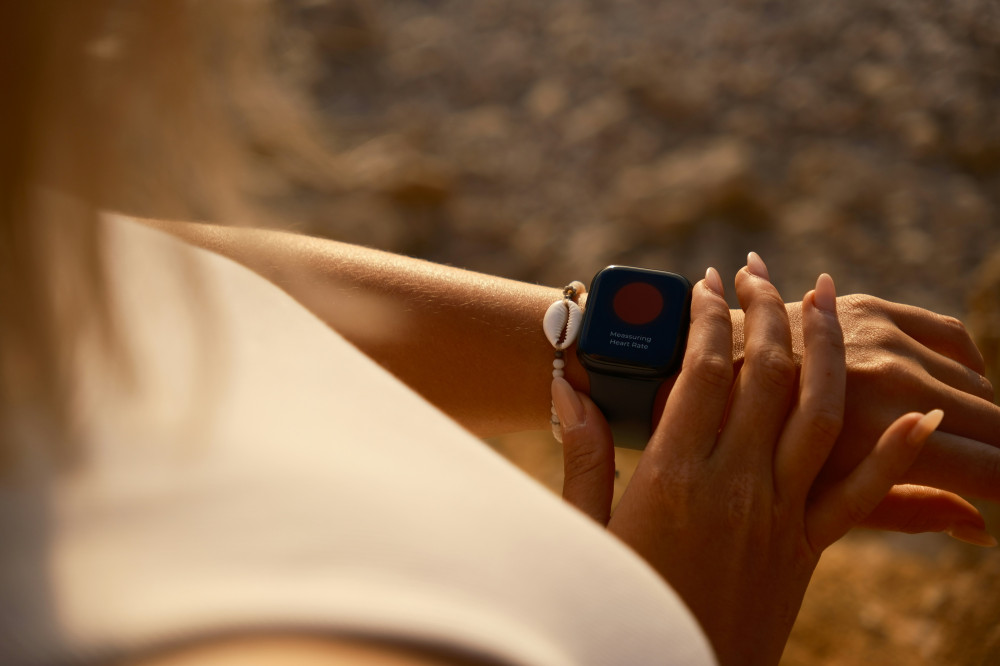
So next time you lace up your shoes, remember: your most important training tool isn’t your watch or your gear — it’s your ability to listen to your body.
Læs også: