Layering Up: How to Dress for Changing Weather on the Slopes

Layering Up: How to Dress for Changing Weather on the Slopes
When you’re skiing or snowboarding, the weather can shift in minutes—from bright sunshine to biting wind and swirling snow. Staying comfortable isn’t just about staying warm; it’s about staying adaptable. The key is layering: a system that keeps you dry, warm, and ready for whatever the mountain throws your way. Here’s how to master the art of layering for unpredictable conditions on the slopes.
The Foundation: The Base Layer
Your base layer is your first line of defense against the cold. Its main job is to keep moisture away from your skin. When you’re active, you sweat—and if that moisture stays trapped, you’ll quickly get chilled once you stop moving.
Choose merino wool or synthetic fabrics like polyester or polypropylene. Merino wool is a favorite because it’s warm, breathable, and naturally odor-resistant. Avoid cotton—it holds onto moisture and will leave you cold and clammy.
A good base layer should fit snugly without feeling tight. Consider having both a lightweight and a midweight option so you can adjust depending on the temperature.
The Middle Layer: Insulation and Warmth
The middle layer traps body heat while allowing moisture to escape. This is your insulation layer, and it’s what keeps you cozy when the temperature drops.
Fleece, wool sweaters, or lightweight down jackets are all solid choices.
- On frigid days, go for a thicker fleece or a puffy down midlayer.
- On milder days, a thin wool pullover or technical fleece will do the trick.
The key is flexibility—something you can easily take off or put on as conditions change. Many skiers stash an extra midlayer in their backpack for quick adjustments.
The Outer Layer: Protection from the Elements
Your outer layer shields you from wind, snow, and rain while letting sweat vapor escape. A waterproof, breathable shell jacket and pants are essential. Look for materials with a membrane (like Gore-Tex or eVent) and fully taped seams to keep moisture out.
Features like adjustable hoods, underarm vents, and powder skirts make a big difference when the weather turns. If you ski in wetter climates like the Pacific Northwest, a shell is often better than an insulated jacket—you can control warmth with your midlayer instead of relying on built-in insulation.
Head, Hands, and Feet: The Often-Forgotten Layers
A surprising amount of body heat escapes through your head and hands. A thin beanie or balaclava under your helmet can make a huge difference on cold days. A neck gaiter or buff helps protect your face from wind and snow.
For your hands, waterproof gloves or mittens are a must. Mittens are warmer, but gloves offer better dexterity. Consider wearing a thin liner glove underneath for extra warmth and flexibility.
Feet need to stay warm and dry—but not sweaty. Wear ski socks made of wool or technical fibers, and skip the double layers. Two pairs of socks can restrict circulation and actually make your feet colder.
Adjusting to Activity and Weather
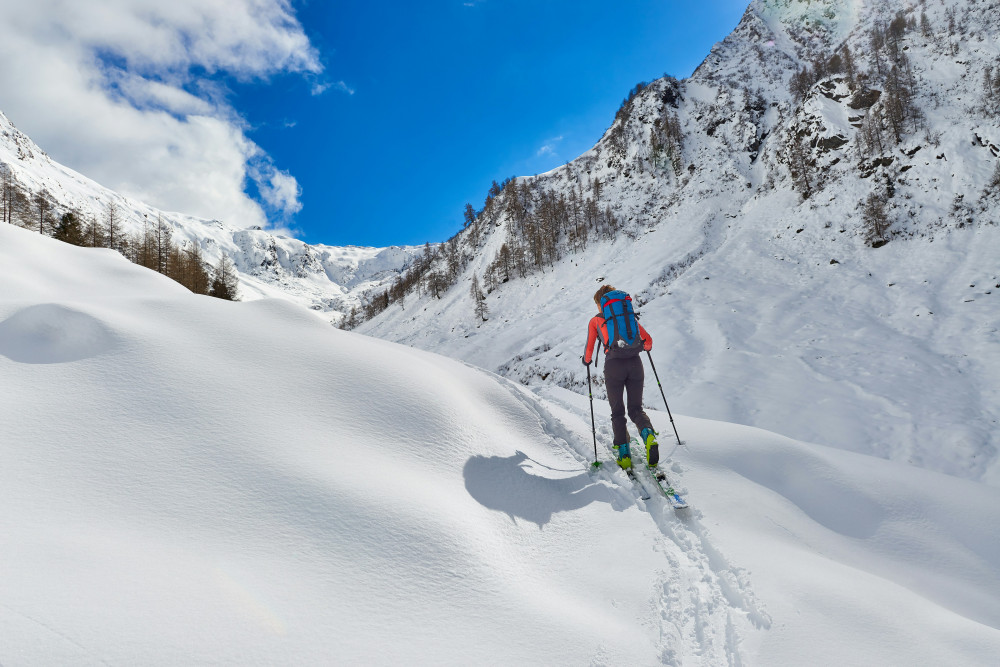
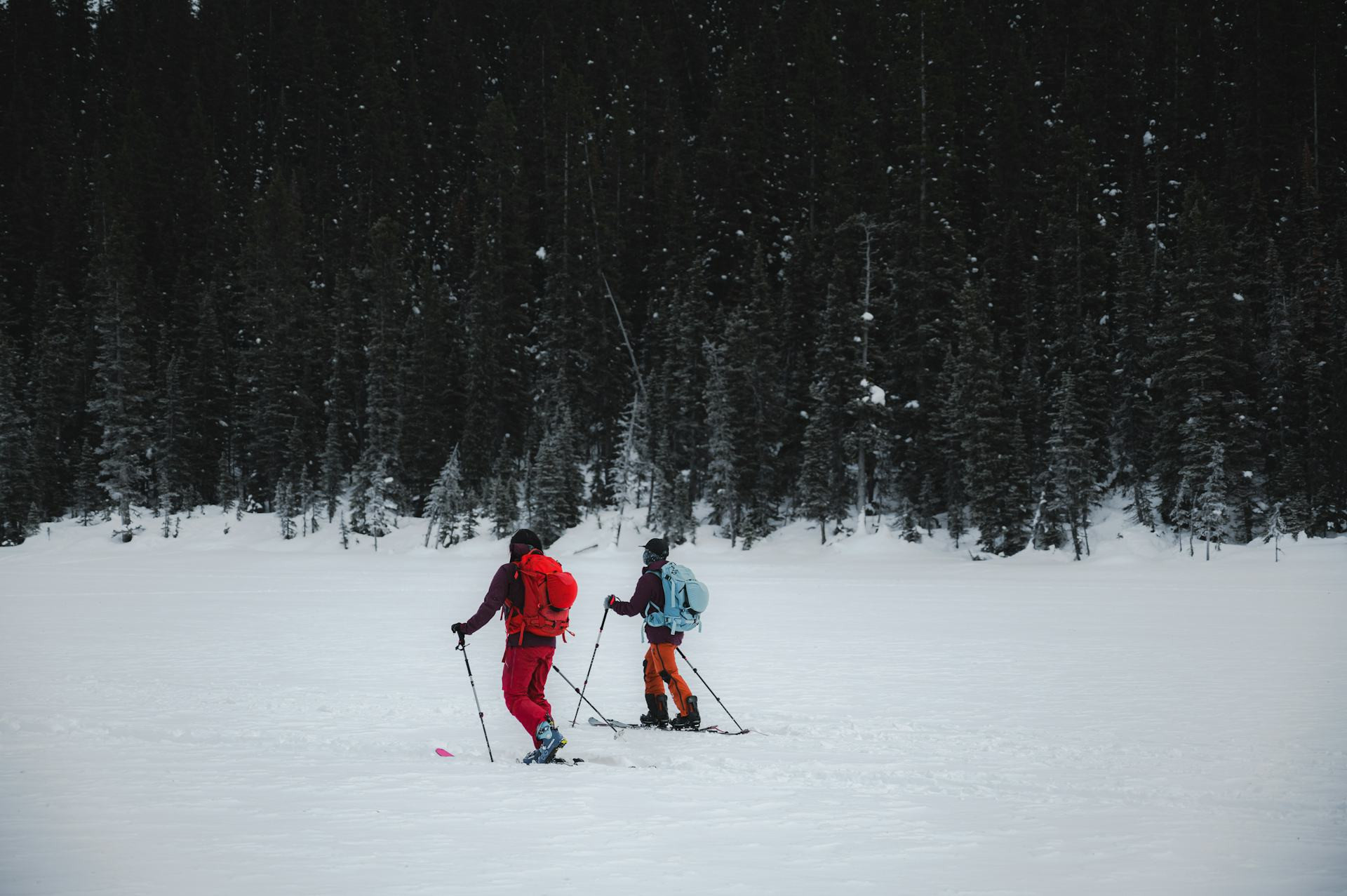
The beauty of layering is that you can fine-tune your comfort level throughout the day. When you’re hiking to a backcountry line or waiting in a lift line, your body temperature changes constantly. Learn to read your body and adjust as needed:
- Unzip your jacket or vents when you start to sweat.
- Zip up and add a layer when you stop moving.
- Keep an extra layer in your pack for sudden weather changes.
This way, you’ll avoid getting soaked in sweat—only to freeze later when you cool down.
Læs også:
Small Details That Make a Big Difference
- Goggles or sunglasses protect your eyes from glare and blowing snow.
- Sunscreen is essential—even on cloudy days, UV rays reflect off the snow.
- Dry gloves and socks in your bag can save the day if conditions turn wet.
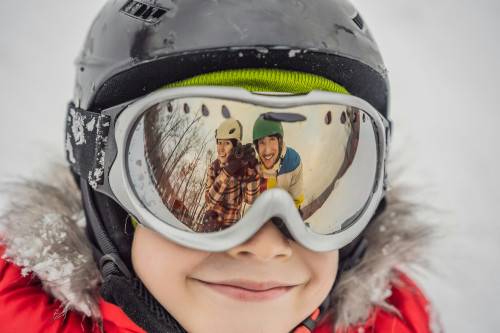
- Layering for kids is just as important—they lose heat faster and need flexibility, too.
Comfort All Day—No Matter the Weather
Mastering the layering system isn’t about piling on clothes; it’s about being able to adapt. Once you find the right combination of layers, you’ll stay comfortable, safe, and ready to enjoy every run. You’ll spend less time worrying about the weather—and more time carving turns and soaking in the mountain views.
So next time you pack for a ski trip, think in layers, not bulk. It’s the smartest way to stay warm, dry, and free to enjoy the slopes, no matter what the forecast says.
Læs også: