Eat for More Energy: How to Plan Your Meals Before and After Workouts


Eat for More Energy: How to Plan Your Meals Before and After Workouts
Food and exercise go hand in hand. What you eat before and after your workout can make a big difference in your energy levels, performance, and recovery. Whether you’re running, lifting weights, or taking a group fitness class, a smart meal plan can help you get the most out of your effort. Here’s a guide to planning your meals so you can fuel your body right and feel your best.
Before Your Workout: Fuel Up the Right Way
The goal of your pre-workout meal is to give your body energy—without making you feel heavy or sluggish. It’s all about finding the right balance of carbohydrates, protein, and fat.
- Carbohydrates are your body’s main source of energy. They help you perform better and maintain endurance. Choose complex carbs like oatmeal, whole-grain bread, brown rice, or fruit.
- Protein helps protect your muscles during exercise. A small amount of lean protein—such as Greek yogurt, eggs, or chicken—can be beneficial.
- Fat should be kept moderate before a workout since it takes longer to digest.
When Should You Eat?
- 2–3 hours before your workout: Have a balanced meal with carbs, protein, and a little fat—like grilled chicken with brown rice and vegetables.
- 30–60 minutes before your workout: Go for a light snack—such as a banana, a smoothie, or a slice of whole-grain toast with peanut butter.
If you work out early in the morning, a small snack may be enough before you exercise, followed by a larger meal afterward.
During Your Workout: Keep Energy Steady
If your workout lasts less than an hour, water is usually all you need. But for longer or more intense sessions, quick carbs can help you maintain energy.
- Sports drinks or energy gels can help keep your blood sugar stable during endurance workouts.
- Water is always essential—especially in hot weather or high-intensity training. Sip small amounts regularly.
Læs også:



After Your Workout: Support Recovery
After exercise, your body needs to rebuild energy stores and repair muscle tissue. This is your chance to support recovery and prevent fatigue.
- Protein is key for muscle repair. Aim for 15–25 grams of protein within an hour after your workout—try eggs, fish, Greek yogurt, or plant-based options like beans or tofu.
- Carbohydrates help replenish glycogen stores. Combine protein with carbs such as rice, potatoes, fruit, or whole-grain bread.
- Fluids and electrolytes also need to be replaced, especially if you’ve been sweating heavily. Water is great, but milk or a smoothie can also help restore nutrients.
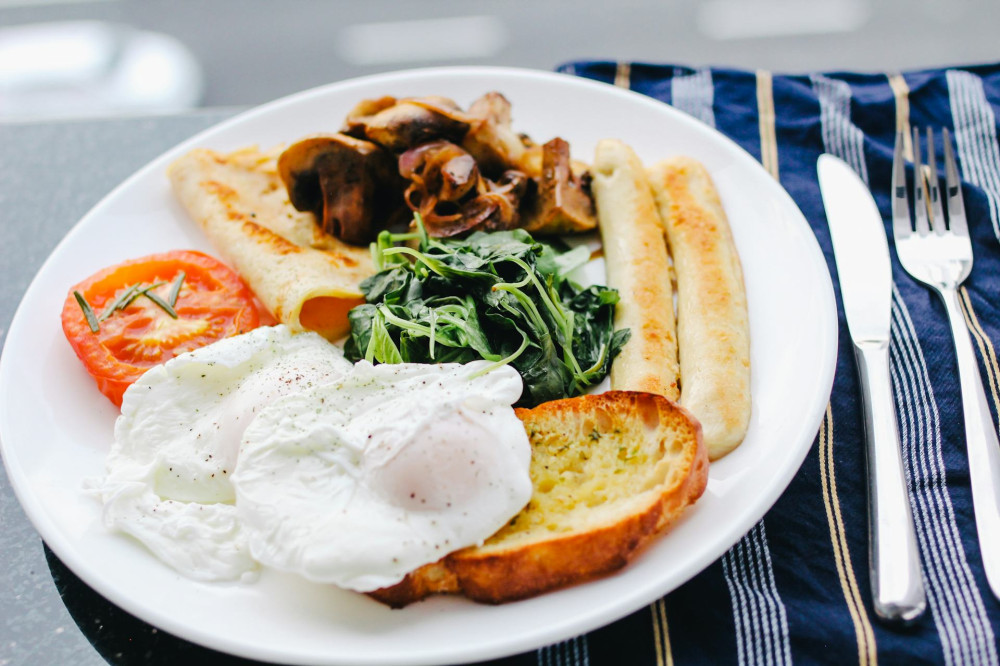
A good post-workout meal could be an omelet with vegetables and whole-grain toast, or a smoothie made with milk, berries, and oats.
Make Meal Planning Part of Your Routine
Planning your meals around your workouts doesn’t have to be complicated. With a little structure, it quickly becomes second nature.
- Create a weekly meal plan that takes your workout schedule into account.
- Prep snacks ahead of time so you always have something quick and healthy on hand—like nuts, fruit, or protein bars.
- Pay attention to timing, not just what you eat. Even small adjustments to when you eat can make a noticeable difference in your energy and performance.
Listen to Your Body
There’s no one-size-fits-all meal plan. Your body, your workouts, and your energy needs are unique. Use these guidelines as a starting point, but adjust based on how you feel. If you notice fatigue, stomach discomfort, or lack of progress, it might be time to tweak your food choices or timing.
Eating right before and after your workouts isn’t about strict rules—it’s about giving your body what it needs to perform and recover. Once you find the rhythm that works for you, you’ll feel more energized—not just during your workouts, but throughout your entire day.
Læs også: